
Quick Guide: Top Anti-Aging Serums by Category
Before diving into detailed reviews, here’s a reference to help you navigate the options.
- Quick Guide: Top Anti-Aging Serums by Category
- The Science Behind Anti-Aging Serums
- Retinol and Retinoid Serums: The Gold Standard
- Peptide Serums: Gentle, Targeted Support
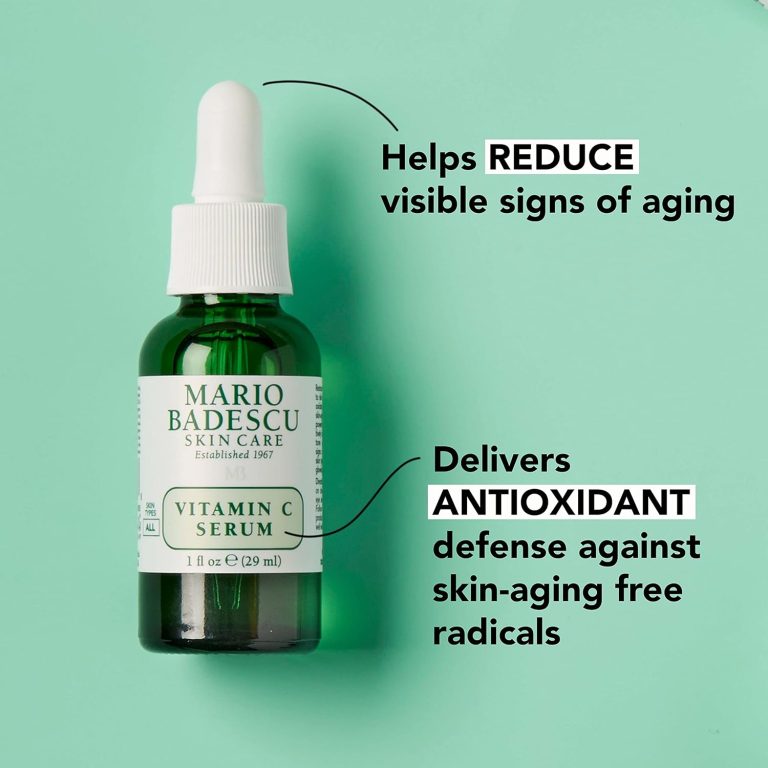
- Vitamin C Serums: Antioxidant Defense and Brightening
- Growth Factor and Novel Technology Serums
- How to Choose Your Serum: Age and Goal Matching
- Common Questions
- When an Anti-Aging Serum Isn’t the Answer
- Conclusion
- References
What is the best anti-aging serum that dermatologists actually recommend? The answer depends on your skin’s specific needs, age, and tolerance. Dermatologists don’t endorse a single product; they endorse the science of key active ingredients proven to improve visible signs of aging. These include retinoids for collagen production1, peptides for signaling skin repair, vitamin C for antioxidant defense, and growth factors for cellular communication. The best serum for you is one that contains a well-formulated, stable concentration of these ingredients, applied consistently. This guide reviews the top serums of 2026 across these categories to help you make an informed choice.
The Science Behind Anti-Aging Serums
Effective anti-aging serums work by targeting specific biological pathways that slow down or degrade as we age. The primary goal is to improve the appearance of fine lines, wrinkles, and loss of firmness by supporting skin’s structure and function.
Retinoids: This family includes prescription tretinoin and over-the-counter retinol. They are vitamin A derivatives that bind to receptors in skin cells, accelerating cellular turnover and boosting collagen synthesis in the dermis1. This process directly addresses deep wrinkles and photodamage. However, they can cause irritation, peeling, and dryness, which is why a retinol serum for beginners uses gentler, encapsulated forms.
Peptides: These are short chains of amino acids that act as messengers. When applied topically, certain peptides can signal to fibroblasts (the cells that produce collagen) to increase production. Others, like palmitoyl tripeptide-5, have been shown to inhibit enzymes that break down collagen2. They are generally gentle and well-tolerated, making them a strong option for the best anti-aging serum for 40s when skin may be more reactive.
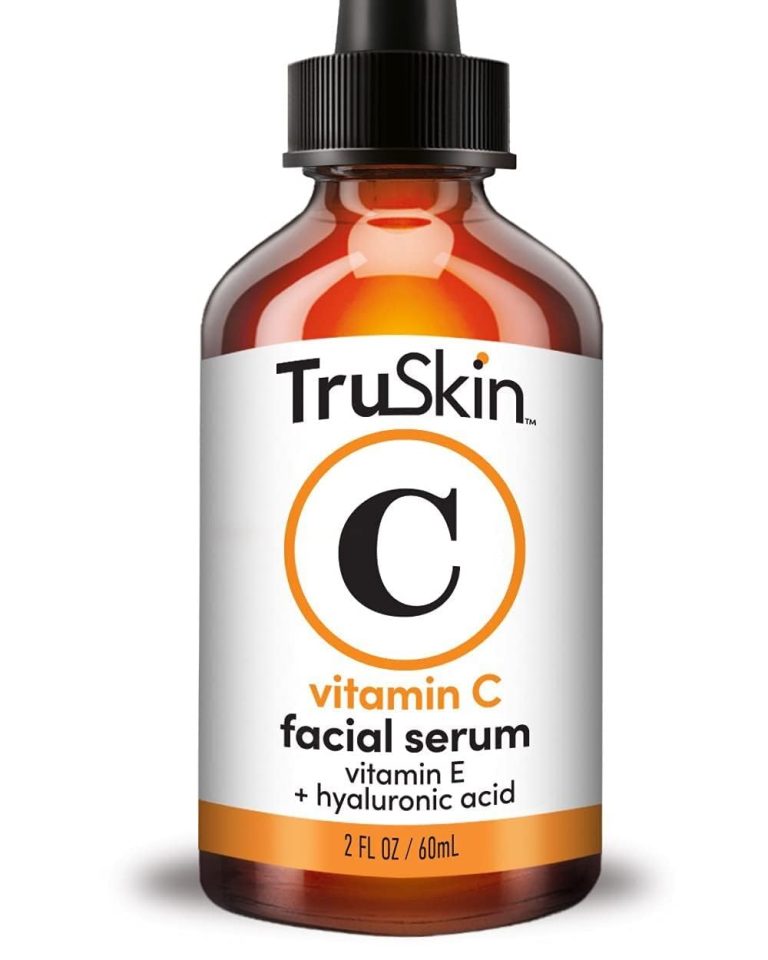
Vitamin C (L-Ascorbic Acid): As a potent antioxidant, vitamin C neutralizes free radicals generated by UV exposure and pollution, preventing them from damaging collagen and elastin. It also inhibits melanin production, helping fade dark spots, and is necessary for collagen synthesis itself. A stable, potent formulation is key, as vitamin C is notoriously unstable.
Growth Factors: These are proteins like EGF (Epidermal Growth Factor) that naturally occur in the body and regulate cell growth, proliferation, and healing. In skincare, they are often derived from plant or recombinant sources. The theory is that applying them topically can stimulate similar repair processes in aging skin, though clinical data in cosmetics is less robust than for retinoids.
Retinol and Retinoid Serums: The Gold Standard
For addressing established wrinkles and textural concerns, retinol remains the ingredient with the most extensive clinical backing. The American Academy of Dermatology notes retinoids are among the few topical treatments with proven efficacy for photodamage and wrinkles1. Here are the top formulations for 2026.
SkinCeuticals Retinol 0.3
This is a dermatologist-favorite entry point into retinol. It uses a pure, stabilized 0.3% retinol concentration, which is effective yet manageable for many. The formula includes soothing bisabolol (from chamomile) and hydroxypinacolone retinoate (a retinoic acid ester) to mitigate irritation. It’s packaged in an airless tube to prevent oxidation. Price tier: $$$.
Editorial judgment: We chose this over other 0.3% options because of its exceptional stability and the inclusion of a secondary retinoid ester. However, it’s wrong for anyone with active eczema or rosacea flares; even this low concentration can trigger inflammation in compromised skin.
CeraVe Skin Renewing Retinol Serum
This drugstore serum exemplifies smart formulation. It contains encapsulated retinol (to release slowly and reduce irritation) alongside three essential ceramides to reinforce the barrier and niacinamide for calming redness. This combination makes it one of the most tolerable retinol products available. Price tier: $.
Editorial judgment: This is the ideal starter serum if your primary concern is dryness alongside fine lines. The barrier support is real. The tradeoff is that encapsulated retinol may work more slowly than a pure form, so patience is required.
Paula’s Choice Clinical 1% Retinol Treatment
For those who have built tolerance and want significant impact, this 1% retinol serum is a strong choice. It’s bolstered with antioxidants (vitamin C and E) and peptides to provide multi-angle support. The texture is a rich cream, which helps counter the drying effect of high-concentration retinol. Price tier: $$.
Editorial judgment: This is a powerful option, but skip it if you’re under 35 with only preventative goals. The 1% concentration is unnecessarily potent for early fine lines and carries a higher irritation risk that may outweigh benefits.
Peptide Serums: Gentle, Targeted Support
If your skin is sensitive, you’re in your 40s looking for plumping support, or you want to layer an active without irritation, a peptide serum is a excellent choice. They work by sending specific signals to skin cells to support collagen and elastin. For a deeper dive on this category, see our guide on best peptide serums 2026.
The Ordinary “Buffet” + Copper Peptides 1%
This serum combines a cocktail of multiple peptides (including the Matrixyl 3000 complex) with 1% copper peptides, which are involved in wound healing and tissue repair. It’s a straightforward, no-frills formula at an accessible price. Price tier: $.
Editorial judgment: This is a great value option for experimenting with peptides. However, the texture is quite viscous and sticky. If you prefer a fast-absorbing, elegant serum for morning use, this may feel too heavy under makeup.
Drunk Elephant Shaba Complex Eye Serum
While marketed for eyes, this serum’s formula is effective for the entire face. It features eight signal peptides, antioxidant-rich ferulic acid, and niacinamide. The blend aims to firm and brighten. The packaging is airtight to preserve the peptides. Price tier: $$.
Editorial judgment: We included this facial-friendly eye serum because its peptide blend is more comprehensive than many dedicated face serums. It’s wrong for you if you dislike silicone-based textures; this has a slight slip that some find unnatural.
Medik8 r-Retinoate Youth Activating Serum
This product cleverly bridges the peptide serum vs retinol anti-aging debate. It contains a retinoid ester (retinoate) combined with a peptide (arginine). The ester converts to retinoic acid in the skin but is gentler than retinol, while the peptide aids delivery. Price tier: $$$.
Editorial judgment: This is for someone who wants retinol-like results but has historically reacted poorly to pure retinol. The tradeoff is cost; it’s significantly more expensive than a standard retinol serum.
Vitamin C Serums: Antioxidant Defense and Brightening
Vitamin C is a cornerstone of daytime anti-aging routines. It provides antioxidant protection against environmental damage that accelerates aging and helps brighten skin tone.
SkinCeuticals C E Ferulic
This is the clinically-studied benchmark. It combines 15% L-ascorbic acid (vitamin C) with vitamin E and ferulic acid, which synergistically boost stability and antioxidant efficacy3. Studies show it reduces oxidative stress in skin after UV exposure. Price tier: $$$.
Editorial judgment: This serum is effective but has a distinct, slightly metallic scent due to the pure ingredients. If you are scent-sensitive, this may be off-putting. Also, its high potency means it can sometimes sting on very sensitive skin.
Paula’s Choice C15 Super Booster
This 15% vitamin C serum uses a dual-formulation approach: pure L-ascorbic acid for immediate effect and ascorbyl glucoside (a stable derivative) for longer-lasting activity. It includes peptides for additional support. Price tier: $$.
Editorial judgment: This is a strong alternative to SkinCeuticals at a lower price point. The inclusion of a vitamin C derivative makes it slightly more stable in the bottle, but the pure C can still oxidize if stored poorly.
BeautyStat Universal C Skin Refiner
This serum uses a patented, stable form of vitamin C (Ascorbic Acid 2-Glucoside) at 20% concentration. It’s formulated to be non-irritating and pH-optimized. Independent testing has shown significant reduction in the appearance of fine lines and wrinkles4. Price tier: $$.
Editorial judgment: This wins for innovation in stability. It’s a top pick if you’ve struggled with other vitamin C serums turning brown or causing irritation. The gel-cream texture, however, is thicker than typical serums and may not suit oily skin types preferring a watery feel.
Growth Factor and Novel Technology Serums
This category includes serums using growth factors, exosomes, or other cutting-edge signaling molecules. They often occupy the luxury tier and target more pronounced aging or skin recovery.
SkinMedica TNS Advanced+ Serum
A flagship growth factor serum, it contains a blend of human growth factors, cytokines, and soluble matrix proteins. It’s designed to improve the appearance of deep wrinkles and skin texture. Price tier: $$$.
Editorial judgment: This is arguably the best luxury anti-aging serum with published clinical data. It’s often recommended post-procedure. The significant limitation is price; it’s an investment. It’s also wrong for those with only minor fine lines, as the benefits may not be noticeable enough to justify the cost.
Revision Skincare D.E.J. Face Serum
This serum focuses on “Dermal-Epidermal Junction” support with a complex of peptides, growth factors, and antioxidants aimed at reinforcing the skin’s foundational structure. Price tier: $$$.
Editorial judgment: The science behind targeting the DEJ is sound. This serum earns its spot due to its comprehensive, multi-mechanism approach. However, it contains fragrance, which makes it a skip for anyone with fragrance sensitivity or very reactive skin.
How to Choose Your Serum: Age and Goal Matching
Your age and specific concerns should guide your choice more than any universal ranking.
30s (Prevention & Early Fine Lines): Focus on antioxidants and gentle collagen support. A potent vitamin C serum for daytime and a peptide serum or a very low-dose retinol (0.1%-0.3%) for nighttime is ideal. The goal is protection and early intervention.
40s (Visible Fine Lines & Loss of Plumpness): This is a key decade for the best serum for fine lines. Retinol becomes more relevant, but if your skin is dry or sensitive, a multi-peptide serum may be better. You might also consider combining a retinol serum with a hydrating peptide serum on alternate nights.
50s+ (Established Wrinkles & Texture Change): Retinoids (prescription or high-concentration retinol) are often the most effective. Growth factor serums can be considered as adjuncts, particularly if skin feels thin or fragile. Consistent, long-term use is paramount.
Common Questions
Can I use a retinol serum and a peptide serum together?
Yes, but not necessarily at the same time. Peptides are generally gentle and can be layered. However, applying a potent retinol and a peptide serum in the same routine may increase irritation risk without added benefit. A common approach is to use retinol on some nights and a peptide serum on others, or to use a peptide serum in the morning and retinol at night.
How long does it take to see results from an anti-aging serum?
Realistic timelines vary by ingredient. Retinol may show initial textural smoothing in 4-8 weeks, with significant wrinkle improvement taking 3-6 months of consistent use. Peptides and vitamin C work more subtly; brightness and plumping may be noticeable in 6-12 weeks. All require daily, long-term application.
Is a luxury serum always better than a drugstore one?
Not always. Efficacy depends on the concentration, stability, and delivery system of the active ingredient, not the price. A well-formulated drugstore retinol with ceramides (like CeraVe) can be more effective for someone with a fragile barrier than an expensive, potent retinol that causes irritation they cannot tolerate.
What is peptide serum?
As detailed in our article what is peptide serum, peptides are short chains of amino acids that act as signaling molecules in skincare. When applied, certain peptides can tell skin cells to produce more collagen or slow its breakdown, leading to firmer, smoother skin over time.
Should I use an anti-aging serum if I’m only 25?
Yes, but the goal shifts from correction to prevention. At 25, the best serum is likely a broad-spectrum antioxidant like vitamin C to protect against daily environmental damage that cumulatively causes aging. An occasional peptide serum for collagen support is also a safe, preventative choice.
Can anti-aging serums replace sunscreen?
Absolutely not. Sunscreen is the single most effective anti-aging product. Serums work to repair and support, but UV radiation is the primary driver of photoaging (wrinkles, spots). A serum is an adjunct, never a replacement, for daily broad-spectrum SPF 30+ sunscreen.
Why do some serums sting when I apply them?
Stinging can indicate a mismatch between the serum’s pH or potency and your skin’s tolerance. Vitamin C (L-ascorbic acid) requires a low pH, which can cause transient stinging. Retinol can cause irritation. If stinging is intense or prolonged, the formula may be too strong for your current barrier health. Consider a lower concentration or a gentler alternative.
When an Anti-Aging Serum Isn’t the Answer
If your primary skin concerns are severe redness, persistent flushing, visible broken capillaries, or bumps and pustules, you may be dealing with rosacea, not standard aging. Anti-aging serums, especially retinoids and high-potency vitamin C, can exacerbate rosacea inflammation. In this case, the correct path is diagnosis and treatment from a dermatologist, who may prescribe topical or oral medications. Similarly, if you have deep, static wrinkles that do not change with facial movement, these are likely due to volume loss from aging fat pads and bone structure. Topical serums have limited impact here; injectable fillers or other procedural treatments may be more appropriate. A serum is a tool for improving skin texture, elasticity, and fine lines, not for reshaping facial contours.
Conclusion
Choosing the best anti-aging serum is about matching proven ingredient science to your skin’s age, tolerance, and goals. If you are new to anti-aging actives, start with a gentle peptide serum or a low-dose, encapsulated retinol. If you have established wrinkles and resilient skin, a higher-concentration retinol like Paula’s Choice Clinical 1% offers significant potential. For daytime protection and brightening, a stable vitamin C serum like BeautyStat is a reliable investment. Remember, consistency over months is what yields results, not sporadic use of the most expensive bottle. Check current pricing and formulations for your top choice, as brands update their products regularly.
References
- American Academy of Dermatology. (2024). Anti-aging skincare: What really works? Retrieved from https://www.aad.org/public/everyday-care/skin-care-secrets/anti-aging/what-really-works
- Zhang, L., & Falla, T. J. (2009). Cosmeceuticals and peptides. Journal of Cosmetic Dermatology, 8(1), 8–13. https://doi.org/10.1111/jocd.2009.8.1.8
- Lin, J. Y., et al. (2005). UV photoprotection by combination topical antioxidants vitamin C and vitamin E. Journal of the American Academy of Dermatology, 52(2), 238–244. https://doi.org/10.1016/j.jaad.2004.05.034
- BeautyStat. (2025). Clinical Study: Universal C Skin Refiner. Retrieved from https://beautystat.com/clinical-study