
Vitamin C serum cannot cause telangiectasia, the permanent dilation of tiny blood vessels seen as broken capillaries. There is no known biological mechanism by which topically applied vitamin C creates new, damaged vessels. However, if you have rosacea or skin genetically prone to redness, the wrong formulation or a high concentration of L ascorbic acid can trigger temporary vasodilation and flushing. This inflammation can make already visible capillaries look temporarily worse and may, over many repeated inflammatory events, contribute to their persistence. The short answer to your question is no, but the practical reality for reactive skin requires careful ingredient selection.
The Science of Vitamin C, Irritation, and Blood Vessels
To understand why vitamin C serum gets linked to broken capillaries, you need to separate cause from aggravation. Telangiectasia results from a permanent structural weakness in the capillary wall. Causes are genetic, hormonal (like pregnancy), sun damage, or chronic inflammatory skin conditions like rosacea. Vitamin C, particularly in its most potent form (L ascorbic acid or LAA), is an acidic molecule. To be effective and stable, it’s often formulated at a low pH, around 3.5. This acidity can cause transient stinging or irritation upon application, especially on compromised or sensitive skin1.
Telangiectasia: Permanent, visible dilations of tiny superficial blood vessels (capillaries) on the skin’s surface. They appear as fine red lines or webs and are a structural issue, not a temporary flush.
This irritation triggers a localized inflammatory response. Part of that response is vasodilation the temporary widening of blood vessels to increase blood flow to the area. For someone with existing telangiectasia, this flood of blood can make those already prominent vessels appear redder and more noticeable for a short time. Repeated irritation and flushing are considered potential exacerbating factors for rosacea, a condition where telangiectasia is a common feature. The National Rosacea Society notes that topical products causing stinging or burning can worsen rosacea symptoms2. Therefore, while the serum doesn’t create the broken capillaries, it can illuminate and aggravate them.
Vitamin C Serum and Rosacea Prone Skin
The relationship between vitamin c serum rosacea broken capillaries is a key concern. Rosacea skin has a dysfunctional barrier and an overactive neurovascular system, making it hyper responsive to triggers. These triggers include heat, spice, alcohol, and yes, topical irritants. A 2017 review in the Journal of Clinical and Aesthetic Dermatology identified skincare products as a common trigger for rosacea flares3. When you apply a stimulating product like a high strength LAA serum, it can provoke immediate flushing (transient erythema) and a prolonged inflammatory state.
This is why asking is vitamin c serum safe for rosacea requires a nuanced answer. The antioxidant and collagen boosting benefits of vitamin C are theoretically excellent for rosacea skin, which is often sun damaged and inflamed. But the delivery method is critical. Using a harsh, low pH formula on reactive skin is counterproductive. The goal is to provide antioxidant protection without triggering the neurovascular response that leads to visible redness and worsened telangiectasia.
Choosing the Right Vitamin C Derivative
Not all vitamin C is created equal, especially for sensitive or rosacea prone skin. The derivative you choose determines the formula’s pH and its potential for vitamin c irritation capillaries.
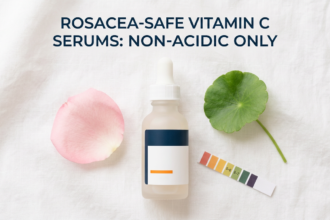
For skin with broken capillaries or rosacea, SAP and MAP are the clear dermatologist recommended derivatives. They provide stable, effective antioxidant protection without the acidic assault of LAA. SAP, in particular, has research showing it can help reduce inflammation, making it doubly suitable for rosacea management.
How to Introduce Vitamin C Serum Safely
If you have concerns about capillaries, a cautious approach is non negotiable. Start with a gentle derivative SAP or MAP in a low concentration (5 10%). Apply it once every other day, in the morning, on perfectly dry skin after cleansing. Follow immediately with a moisturizer to buffer any potential sensitivity. Monitor your skin for any increase in baseline redness or persistent flushing over the next few hours. If your skin tolerates it well for two weeks, you can move to daily use. Avoid combining it with other potent actives like exfoliating acids (AHA/BHA) or retinoids in the same routine, especially initially. Layer it under a broad spectrum mineral sunscreen every day, as sun protection is the single most important step for preventing further capillary damage.
When a Vitamin C Serum Isn’t the Answer
If your primary skin concern is active, frequent rosacea flares with significant redness, pustules, or burning sensations, your first step is not a serum aisle. It is a dermatologist appointment. Introducing any new active, even a gentle vitamin C derivative, during an active flare can worsen inflammation. Focus on a dermatologist prescribed treatment plan and a minimalist, reparative skincare routine to calm the skin and restore the barrier first. Once your skin is in a stable, calm state for several weeks, you can consider cautiously introducing a gentle antioxidant like SAP. Prioritize medical management over cosmetic intervention for active inflammatory conditions.
Common Questions
Can vitamin C serum make broken capillaries go away?
No, vitamin C serum cannot reverse telangiectasia (broken capillaries). Once the capillary wall is permanently dilated, topical products cannot constrict it back to normal. Vitamin C can improve overall skin tone and antioxidant protection, which may make redness less noticeable, but it does not erase the vessels. Treatments like laser or intense pulsed light (IPL) are required for that.
I used vitamin C serum and now I have more red marks. What happened?
You likely experienced irritation induced flushing or contact dermatitis. The acidic formula or a particular ingredient irritated your skin, causing temporary vasodilation. This makes underlying redness or capillaries more prominent. Discontinue use, focus on barrier repair with ceramides and soothing ingredients, and the redness should subside. It did not create new permanent capillaries.
Is a low concentration of L ascorbic acid safer for rosacea?
Safer than a high concentration, but still not the first choice. Even at 5 10%, LAA requires a low pH to be effective, which is inherently irritating to compromised skin. A 10% SAP or MAP serum at a neutral pH is almost always a better starting point for rosacea prone individuals seeking vitamin C benefits.
What ingredients should I pair with vitamin C for redness prone skin?
Focus on calming, barrier supporting ingredients. Niacinamide (4 5%) is excellent, as it can help reduce inflammation and improve barrier function. Centella asiatica, panthenol, and ceramides are also superb partners. Avoid layering it with other low pH actives like direct acids.
Are there any forms of vitamin C I should completely avoid?
If you have significant telangiectasia or rosacea, be very wary of high potency L ascorbic acid serums (15 20%), especially those combined with other potentially irritating ingredients like high concentrations of vitamin E (tocopherol) or ferulic acid in an alcoholic base. These are powerful antioxidants but can be inflammatory for your skin type.
Should I apply vitamin C serum directly on broken capillaries?
Apply it evenly to your entire face as part of your routine. There is no need to target or avoid specific spots like capillaries. The effect is systemic to the skin’s biology, not localized to the point of application.
How long does irritation from vitamin C last?
Transient flushing or stinging should subside within 15 30 minutes if it is a minor pH reaction. If you develop a rash, prolonged redness, or itching that lasts hours or days, you are having a stronger irritant reaction. Discontinue use and allow your skin to recover, which can take several days to a week.
Conclusion
Navigating vitamin C when you’re prone to redness is about smart substitution, not avoidance. You don’t have to miss out on its antioxidant protection. Ditch the high stakes L ascorbic acid and switch to a gentle, neutral pH derivative like sodium ascorbyl phosphate. Start slowly, prioritize barrier health, and always pair it with sunscreen. If your skin is currently inflamed, pause and focus on calming it first. For a deeper dive into gentle formulas, our guide on the best vitamin C serum for sensitive skin details specific product options and application techniques. Check the current formulations available, as brands frequently update their gentle vitamin C offerings.
References
- Pullar, J.M., Carr, A.C., Vissers, M.C.M. (2017). The Roles of Vitamin C in Skin Health. Nutrients, 9(8), 866. https://doi.org/10.3390/nu9080866
- National Rosacea Society. (n.d.). Skincare & Cosmetics. Retrieved from https://www.rosacea.org/patients/skincare
- Rainer, B.M., Kang, S., Chien, A.L. (2017). Rosacea: Epidemiology, pathogenesis, and treatment. Journal of Clinical and Aesthetic Dermatology, 10(8), S1 S20. https://www.ncbi.nlm.nih.gov/pmc/articles/PMC5821167/