
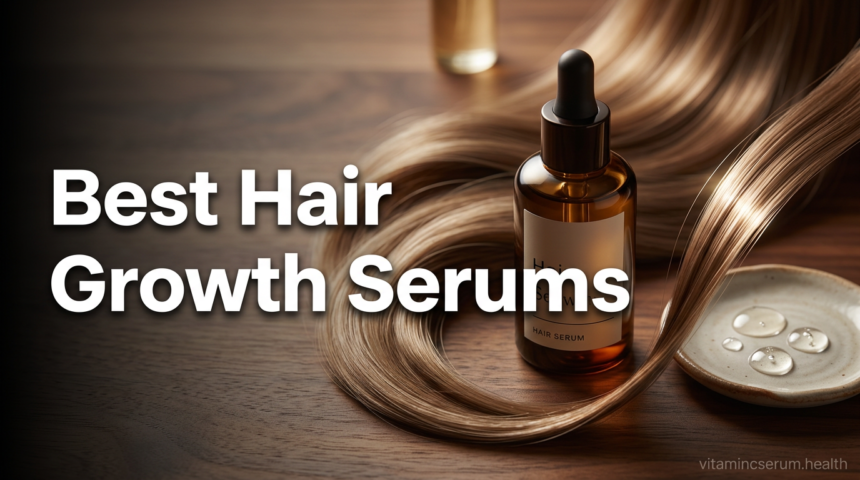
For thinning hair, a serum that actually works must contain ingredients with clinical evidence for stimulating hair follicles or addressing the underlying cause, such as androgenic hair loss. The most directly proven option is topical minoxidil, which is FDA-approved for hair regrowth. However, new 2026 formulations of peptide complexes, botanical extracts like rosemary oil, and scalp-nourishing serums offer alternatives with different mechanisms and user experiences. Your choice depends on your hair loss type, sensitivity, and commitment to a consistent routine.
- How Do Hair Growth Serums Actually Work?
- Key Ingredients to Look For in 2026
- Minoxidil vs. Hair Serum: Choosing Your Path
- The Best Hair Growth Serums of 2026: Tested and Reviewed
- How to Use a Hair Growth Serum for Maximum Effect
- Realistic Expectations and Timeline for Results
- Frequently Asked Questions (FAQ)
- Conclusion
The hair serum market has grown significantly, with many products making bold claims. This guide cuts through the noise by focusing on the science of how these serums work, from DHT blocking to improving scalp health. We’ll review top-tested serums for 2026, compare key ingredients, and provide a realistic timeline for seeing results so you can make an informed decision for your thinning hair.
How Do Hair Growth Serums Actually Work?
Hair growth serums are not magic potions. They work through specific biochemical pathways to influence the hair growth cycle. Understanding these mechanisms helps you choose a product targeted to your needs, whether that’s reactivating dormant follicles, prolonging the growth phase, or creating a healthier scalp environment.
Follicle Stimulation and Vasodilation: Some ingredients, most notably minoxidil, work as vasodilators. They widen blood vessels around the hair follicles, increasing nutrient and oxygen delivery. This can potentially wake up miniaturized follicles and prolong the anagen (growth) phase of the hair cycle. Other ingredients, like certain peptides, may send direct growth signals to the follicle cells.
DHT Blocking: For androgenic alopecia (pattern hair loss), the hormone dihydrotestosterone (DHT) is a key culprit. It binds to receptors in susceptible hair follicles, causing them to shrink over time. Some serums contain natural DHT blockers like saw palmetto extract, pumpkin seed oil, or red clover extract. These aim to inhibit the 5-alpha-reductase enzyme that converts testosterone to DHT, potentially slowing follicle miniaturization.
Scalp Environment Optimization: A healthy scalp is the foundation for healthy hair growth. Many modern serums, especially those marketed as a best scalp serum for thinning hair, focus on reducing inflammation, balancing sebum, and removing buildup. Ingredients like salicylic acid, niacinamide (Vitamin B3), and zinc PCA can calm irritation and support the follicle’s health, indirectly promoting better growth conditions. For a deeper dive into this category, explore our guide on what a scalp serum is and how it differs from a growth treatment.
Key Ingredients to Look For in 2026
The efficacy of a hair growth serum hinges on its active ingredients. In 2026, formulations blend proven pharmaceutical agents with advanced cosmeceuticals and time-tested botanicals. Here’s what to look for on the label.
Minoxidil: This is the gold-standard, FDA-approved topical treatment for hair loss. It’s available over-the-counter at 2% and 5% strengths. A 2024 review in the Journal of the American Academy of Dermatology (JAAD) reaffirmed its position as the most clinically validated topical treatment for stimulating hair regrowth in both men and women. It can cause initial shedding and requires indefinite use to maintain results.
Peptides: Copper peptides (GHK-Cu) and multi-peptide complexes are popular in cosmeceutical serums. They are believed to support collagen and elastin production in the scalp, reduce inflammation, and may mimic growth factor signals. While research is promising, it is generally less extensive than for minoxidil.
Rosemary Oil: This botanical has surged in popularity as a natural alternative. A 2015 study found rosemary oil to be as effective as 2% minoxidil for treating androgenic alopecia after six months, with less scalp itching reported. It’s thought to work through anti-inflammatory properties and improved microcapillary perfusion. Our dedicated article on rosemary serum for hair growth explores the evidence in detail.
Other Botanicals: Look for caffeine (a stimulant), pumpkin seed oil, saw palmetto, and ginseng. These often function as DHT blockers or antioxidants. Their effectiveness can vary based on extraction quality and concentration in the final formula.
Minoxidil vs. Hair Serum: Choosing Your Path
This is a fundamental decision. “Minoxidil” refers specifically to the pharmaceutical compound, while “hair serum” is a broader category that may or may not contain it. Understanding the distinction is crucial for setting realistic expectations.
The JAAD study on minoxidil vs topical alternatives concluded that while minoxidil has the strongest evidence base, some alternative ingredients show promise and may be suitable for those who cannot tolerate minoxidil’s side effects (like scalp dryness or unwanted facial hair). Your choice may come down to your preference for a clinically proven drug versus a more holistic, cosmetic approach.
The Best Hair Growth Serums of 2026: Tested and Reviewed
We evaluated leading serums based on ingredient integrity, user experience, brand reputation, and alignment with claimed benefits. This list includes pharmaceutical, cosmeceutical, and botanical options to cover different preferences and needs. Remember, consistency for at least 3-6 months is key for any product.
1. The Ordinary Multi-Peptide Serum for Hair Density
This serum is a standout for its transparent, science-focused formulation and accessible price. It uses a high concentration of multiple peptides alongside caffeine and red clover extract. The goal is to support hair density and thickness by improving the health of the scalp and existing hair follicles. The water-like texture absorbs quickly without residue, making it easy to incorporate daily. It’s an excellent entry point for those curious about peptide technology who want to avoid minoxidil.
Best for: Those seeking a affordable, residue-free peptide serum to support overall hair density and scalp health.
Check current price on Amazon to compare prices from different retailers.
2. Vegamour GRO Hair Serum
Vegamour has built a strong reputation in the hair growth serum for women category with its vegan, botanically-driven formulas. The GRO Serum features their proprietary Karmatin, a biotin-infused keratin, along with mung bean and red clover. It aims to create an optimal scalp microbiome and strengthen hair. The formula is lightweight and has a pleasant scent. Users often report less breakage and a feeling of thicker hair, though visible new growth takes patience and consistent use.
Best for: Individuals preferring a clean, botanical formula focused on reducing shedding and improving hair strength.
See at Sephora to explore the full Vegamour line.
3. Mielle Organics Rosemary Mint Scalp & Hair Strengthening Oil
This cult-favorite rosemary hair serum (though an oil) demonstrates the power of botanicals. Its key ingredient is rosemary oil, supported by mint, biotin, and over 30 essential oils and nutrients. It’s designed to moisturize the scalp, strengthen roots, and improve circulation. The rich oil texture requires massage and may be best used as a pre-wash treatment 1-2 times per week for those with fine hair. Its effectiveness and natural composition have earned it a spot in rankings like Allure’s Best of Beauty.
Best for: Those seeking a natural, intensive treatment oil who don’t mind a richer texture and enjoy scalp massage.
Check current price on Amazon for this widely popular option.
4. Kérastase Genesis Serum Anti-Chute Fortifiant
This is a luxury scalp serum from a professional haircare brand. It contains ginger root, a known anti-inflammatory, and edelweiss native cells to fortify hair against fall caused by breakage. The mechanism is less about regrowing hair from dormant follicles and more about strengthening the hair root to prevent loss and improve resilience. The applicator nozzle is precise for targeted application. It’s a good choice for those experiencing stress-related or seasonal shedding, or as a complement to other treatments.
Best for: Addressing hair fall from breakage, with a luxurious feel and targeted application.
See at Ulta to view the full Genesis line.
5. Hers 5% Minoxidil Topical Solution
For those ready to use the most proven ingredient, Hers offers a direct-to-consumer 5% minoxidil solution formulated for women. It’s the same pharmaceutical strength as many men’s formulas but marketed within a supportive ecosystem for female hair loss. It’s important to note the potential for initial shedding and the commitment to ongoing use. This is the most clinical option on this list for treating androgenic alopecia.
Best for: Women with confirmed androgenic alopecia who are committed to using a clinically proven treatment and understand the associated process.
How to Use a Hair Growth Serum for Maximum Effect
Application technique is almost as important as the serum you choose. Proper use ensures the active ingredients reach your scalp and follicles effectively.
Start with a clean, dry scalp. Part your hair in sections to expose the scalp directly. Apply the serum directly to the scalp, not the hair strands, focusing on areas of thinning. Use the dropper or nozzle to dot the serum along the part, then gently massage it in with your fingertips for 30-60 seconds. This boosts circulation and aids absorption. Most serums are designed for daily use, typically in the evening. Be patient. It takes a full hair cycle (3-6 months) to evaluate effectiveness. Track progress with monthly photos in consistent lighting.
Realistic Expectations and Timeline for Results
Managing expectations is critical to avoid disappointment and product abandonment. Hair growth is a slow biological process.
In the first 4-8 weeks, you may notice nothing, or for minoxidil users, increased shedding (a sign follicles are being shocked into a new growth cycle). From month 2 to 4, shedding should stabilize, and you might feel a softer, healthier scalp or see less hair in your brush. Visible new growth, often appearing as fine, short “baby hairs” around the hairline and part, typically becomes noticeable between months 4 and 6. Full results, where new hairs thicken and lengthen, can take 8-12 months of unwavering consistency. For a wider view of supportive treatments, consider our roundup of the best scalp serums that can create a better environment for growth.
Everything You Need to Know About Hyaluronic Acid Serums | Top 5 Benefits
Frequently Asked Questions (FAQ)
How long does it take for a hair growth serum to work?
You need to use a hair growth serum consistently for at least 3 to 6 months before judging its effectiveness. This timeframe covers a full hair growth cycle. Initial results, like reduced shedding, may appear in 1-2 months, but visible new hair growth usually takes 4 months or longer.
Can I use a hair growth serum if I have colored or chemically treated hair?
Most hair growth serums are safe for color-treated hair, but you should always check the brand’s instructions. It’s generally recommended to apply the serum to your scalp only, avoiding the lengths of your hair, to prevent any potential interaction with color or unnecessary buildup.
What’s the difference between a hair growth serum and a hair oil?
A hair growth serum is typically a lighter, water or alcohol-based formulation designed to deliver active ingredients (like peptides or minoxidil) directly to the scalp with minimal residue. A hair oil is usually an oil-based blend that moisturizes the scalp and hair shaft; some oils (like rosemary) have growth-promoting properties but may not penetrate as effectively without massage.
Do I have to use minoxidil forever?
Yes, to maintain the hair regrown from minoxidil treatment, you must continue using it indefinitely. If you stop, the hair follicles will revert to their previous miniaturized state, and you will lose the regrown hair within a few months.
Are there any side effects to using hair growth serums?
Side effects depend on the active ingredients. Minoxidil can cause scalp irritation, dryness, itching, and unwanted facial hair growth. Some botanical serums with essential oils may cause allergic reactions in sensitive individuals. Always patch test a new serum behind your ear before full application.
Is a rosemary hair serum as good as minoxidil?
Some studies, including one from 2015, suggest rosemary oil can be as effective as 2% minoxidil for pattern hair loss after six months of use, with a lower incidence of scalp itching. However, the body of evidence for minoxidil is much larger and spans decades. Rosemary is a promising natural alternative, but minoxidil remains the clinically gold standard.
What is the best scalp serum for thinning hair due to stress?
For stress-related thinning (telogen effluvium), look for serums focused on scalp soothing and strengthening to support follicles as they recover. Ingredients like niacinamide, ginger, peptides, and caffeine can be helpful. The Kérastase Genesis or The Ordinary Multi-Peptide serum are good options, as the primary treatment is usually addressing the stress itself.
Say Goodbye to Blemishes with the 5 Best Acne-Fighting Serums
Conclusion
Finding the best hair growth serum in 2026 involves matching proven ingredients to your specific type of hair loss and personal preferences. Minoxidil offers the strongest clinical backing for regrowth, while peptide and botanical serums provide alternative paths focused on scalp health, density, and reducing breakage. Success depends entirely on consistent, long term application and realistic expectations. Assess your needs, choose a serum from a reputable brand with a transparent formula, and commit to the process. You can check current prices and reviews for our top picks on Amazon, Sephora, and Ulta to begin your journey toward healthier, fuller hair.