
Best Serums for Sensitive Skin: No Fragrance, No Irritation
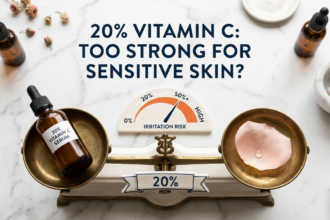
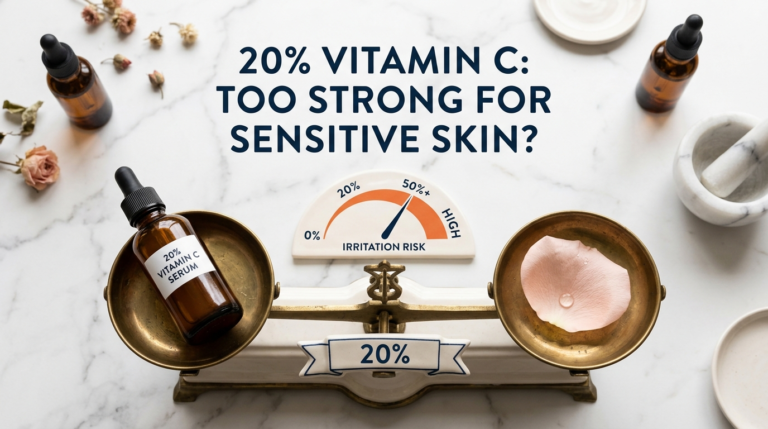
A face serum that is safe to use on sensitive or reactive skin is a fragrance-free formula with a short list of proven, soothing ingredients like ceramides, niacinamide, or centella asiatica, and avoids common irritants like denatured alcohol and high-strength vitamin C (L-ascorbic acid).
If your skin flushes easily, stings with new products, or battles conditions like rosacea or eczema, a standard serum can often do more harm than good. The right serum, however, can be a transformative step that hydrates, strengthens, and calms without triggering a flare. This guide focuses on the specific ingredients and formulations that dermatological research and societies like the National Rosacea Society and British Association of Dermatologists endorse for sensitive skin. We will help you navigate the options to find a calming serum for sensitive skin you can trust.
What Makes a Serum Safe for Reactive Skin?
Sensitive skin is not one condition, but a spectrum that includes reactive skin (prone to stinging and redness), rosacea-prone skin (with visible flushing and capillaries), and eczema-prone skin (with barrier dysfunction and itch). The common thread is a compromised skin barrier and a heightened inflammatory response. A serum for rosacea or a best serum for eczema-prone skin must work to repair that barrier and dampen inflammation, not exacerbate it.
Key ingredient pillars for sensitive skin serums include:
- Ceramides: These lipids are the essential mortar between skin cells in your stratum corneum. Replenishing them directly supports barrier repair, reducing transepidermal water loss and external irritant penetration1.
- Centella Asiatica (Cica): Also known as tiger grass, this botanical is rich in madecassoside and asiaticoside, compounds with documented anti-inflammatory and wound-healing properties that soothe redness and irritation2.
- Niacinamide (Vitamin B3): A multi-tasking star that at concentrations of 2-5% can improve barrier function, reduce redness, and modulate inflammation, all while being exceptionally well-tolerated.
- Azelaic Acid: A dermatologist-favorite for rosacea, this ingredient reduces inflammation and the proliferation of keratinocytes. In over-the-counter formulations (usually around 10%), it is far less irritating than other acids.
For a deeper dive into ingredients that prioritize hydration for a fragile barrier, our guide on the best serums for dry skin covers similar territory with a focus on parched skin.
Red Flags: Ingredients to Avoid in Sensitive Skin Serums
Knowing what to skip is as important as knowing what to look for. The following are common in serums but pose a high risk for reactive skin types.
The Best Serums for Sensitive Skin: 2025 Reviews
These picks are curated for their minimalist, fragrance-free formulas, proven ingredient lists, and positive reception among those with reactive skin. Remember to patch test any new product.
1. La Roche-Posay Toleriane Ultra Dermallergo Serum
Best for: Ultra-reactive, allergy-prone skin needing immediate soothing.
Price tier: ££ / $$
Key Ingredients: Neurosensine, La Roche-Posay Thermal Spring Water, Glycerin.
Why it works: This is a true “nothing” serum in the best way. Designed specifically for intolerant skin, it contains Neurosensine (a peptide complex) to reduce cutaneous reactivity. It has a mere 12 ingredients, is packaged in an airtight, sterile tube, and is free from all common allergens. The texture is a light, fast-absorbing fluid that layers invisibly.
Editorial judgment: This is your safest first bet if you react to everything. However, its simplicity is also its limit; it’s a superb soother and hydrator but offers little in the way of anti-aging or brightening actives. It’s a foundational treatment, not a multitasker.
2. REN Clean Skincare Evercalm Anti-Redness Serum
Best for: Calming persistent redness and visible sensitivity.
Price tier: ££ / $$
Key Ingredients: Omega-3,6,7,9 from Blackcurrant Seed and Sea Buckthorn Oil, Albumen (from egg white).
Why it works: REN’s Evercalm line is a hero for reactive skin. This serum focuses on reinforcing the lipid barrier with a blend of omegas to reduce redness and strengthen resilience. Albumen helps to smooth and plump the skin’s surface. It’s a fragrance-free serum sensitive skin users love for its milky, nourishing texture that doesn’t feel heavy.
Editorial judgment: We prefer this over other “calming” blends because the omega complex targets barrier health at a structural level. Be aware that if you have a specific allergy to eggs, the albumen may be a concern (though it’s highly processed).
3. Paula’s Choice Clinical 1% Retinol Treatment with Peptides & Vitamin C
Best for: Sensitive skin wanting a gentle introduction to retinol.
Price tier: £££ / $$$
Key Ingredients: Encapsulated 1% Retinol, Bisabolol (from Chamomile), Peptides, Tetrahexyldecyl Ascorbate (Vitamin C Ester).
Why it works: Retinol is typically a no-go for sensitive skin, but this formula is the exception. The retinol is encapsulated for slow, controlled release to minimize irritation. It’s buffered with the anti-inflammatory bisabolol and uses a vitamin C ester (ascorbyl tetraisopalmitate), which is stable and non-acidic, making it far gentler than L-ascorbic acid.
Editorial judgment: This is the only retinol serum we recommend for cautious beginners with sensitivity. Start with once a week. Skip it entirely if you are in the midst of a rosacea flare or active eczema outbreak.
4. Cosrx Full Fit Propolis Synergy Toner (Serum-like Treatment)
Best for: Hydration and gentle healing for compromised skin.
Price tier: £ / $
Key Ingredients: 72.6% Propolis Extract, 10% Honey Extract, Betaine.
Why it works: While technically a toner, its viscous, serum-like texture and profound calming effects earn it a spot here. Propolis, a resinous mixture from bees, has antibacterial and anti-inflammatory properties. This formula is incredibly simple, hydrating, and helps soothe skin while supporting its natural healing processes. It’s a cult favorite for a reason.
Editorial judgment: This is an excellent, affordable layer of hydration and mild soothing. It’s not a targeted treatment for redness or aging, but a fantastic supporting player. If you’re curious about other gentle, healing ingredients, explore our article on the benefits and uses of snail mucin serum, which shares similar reparative qualities.
5. The Ordinary Azelaic Acid Suspension 10%
Best for: Treating rosacea-related bumps, redness, and post-inflammatory hyperpigmentation.
Price tier: £ / $
Key Ingredients: 10% Azelaic Acid.
Why it works: Azelaic acid is a first-line dermatological treatment for rosacea. It works by reducing inflammation and clearing keratin from follicles. At 10%, this OTC formula can effectively mitigate redness and texture without the extreme dryness associated with retinoids or the irritation of high-strength vitamin C.
Editorial judgment: This is a potent, effective, and affordable treatment, but the silicone-heavy suspension has a matte, slightly pill-prone texture. Apply it as a last step before moisturizer, or mix a pea-sized amount with your cream. It’s not a general hydrating serum; it’s a targeted active.
6. Krave Beauty Great Barrier Relief
Best for: Repairing a damaged, eczema-prone, or dehydrated barrier.
Price tier: ££ / $$
Key Ingredients: Tamanu Oil, Niacinamide, Safflower Oleosomes, Ceramides.
Why it works: This is a serum-oil hybrid designed explicitly for barrier repair. Tamanu oil is rich in fatty acids and has unique regenerative properties. The formula combines this with niacinamide and ceramide precursors to comprehensively rebuild the skin’s protective layer. It’s a fragrance-free serum sensitive skin users reach for when their barrier is in distress.
Editorial judgment: The tamanu oil has a distinct, earthy scent (from the oil itself, no added fragrance) that some find off-putting. It’s also richer than a typical serum, so it’s best for dry to normal sensitive skin. Those who are very oily might find it too heavy for daily AM use.
7. Geek & Gorgeous Stress Less
Best for: A lightweight, centella-packed daily calming serum.
Price tier: £ / $
Key Ingredients: 5% Panthenol (B5), 5% Glycerin, Madecassoside, Asiaticoside.
Why it works: This serum delivers a high concentration of panthenol and glycerin for instant hydration and barrier support, plus a purified, potent extract of centella asiatica (madecassoside and asiaticoside) for anti-inflammatory action. The formula is aqueous, clean, and feels like a drink of water for stressed skin.
Editorial judgment: This is a brilliant, no-fuss daily hydrator and soother. It’s less occlusive than Krave’s option, making it better for oily or combination sensitive skin. Because it’s so lightweight, it’s an ideal first step in a sensitive skin serum layering routine.
How to Introduce a New Serum to Sensitive Skin
Patience and protocol are non-negotiable. Start by patch testing behind your ear or on the inner forearm for 48 hours. If no reaction occurs, apply a small amount to one area of your face (like a cheek) for three nights. Monitor for any stinging, itching, or increased redness. Only if it passes this test should you incorporate it into your full routine, starting with every other night. Always apply serums to clean, slightly damp skin to aid absorption and minimize friction.
When a Serum for Sensitive Skin Isn’t the Answer
If your skin is experiencing severe symptoms like intense burning, swelling, widespread cracking, oozing, or blistering, the issue likely extends beyond general sensitivity. These can be signs of acute contact dermatitis, a severe eczema flare, or another dermatological condition that requires medical diagnosis. In these cases, continuing to experiment with over-the-counter serums can worsen the problem. The correct path is to stop all non-essential skincare, use only a bland moisturizer and gentle cleanser, and consult a dermatologist or doctor. They can provide prescription treatments, such as topical corticosteroids or calcineurin inhibitors, to manage the inflammation before you reintroduce any serum.
Common Questions
Can I use vitamin C serum if I have sensitive skin?
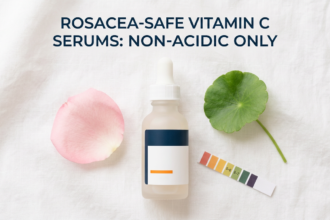
Yes, but you must choose the right form. Avoid potent L-ascorbic acid formulas (especially at 15% or higher). Instead, look for gentler, stable derivatives like magnesium ascorbyl phosphate, sodium ascorbyl phosphate, or tetrahexyldecyl ascorbate (ascorbyl tetraisopalmitate). These are effective at brightening and providing antioxidant protection without the low-pH sting.
Is niacinamide safe for rosacea-prone skin?
Generally, yes. Research indicates niacinamide at concentrations of 2-5% can help improve the skin barrier and reduce redness associated with rosacea. It has anti-inflammatory properties. However, as with any ingredient, patch test first, as a small subset of individuals may experience flushing with niacinamide, often due to impure forms or very high concentrations (10%+).
What is the difference between a serum for rosacea and a general calming serum?
A serum for rosacea will often contain ingredients with specific mechanisms to target the vascular and inflammatory components of the condition, such as azelaic acid, licorice root extract, or certain peptides. A general calming serum for sensitive skin focuses more broadly on barrier repair and reducing overall reactivity with ingredients like ceramides, centella, and panthenol. There is significant overlap, but rosacea-specific formulas may be more targeted.
How long does it take for a calming serum to work?
For immediate soothing of redness and discomfort, ingredients like centella asiatica or bisabolol can provide relief within minutes to hours. For structural barrier repair and a reduction in baseline sensitivity from ingredients like ceramides and niacinamide, expect to see meaningful improvements over 2 to 4 weeks of consistent use.
Conclusion
Choosing a serum for sensitive skin is about strategic avoidance and targeted inclusion: avoid fragrance and harsh actives, and include barrier-repairing and anti-inflammatory ingredients. If you are building your first sensitive skin routine, start with a foundational hydrator like the La Roche-Posay Toleriane or Geek & Gorgeous Stress Less serum. For targeting persistent redness, incorporate the REN Evercalm or The Ordinary Azelaic Acid. Introduce one product at a time, and always prioritize your skin’s comfort over chasing a trend. You can check current pricing and formulations for our top picks to begin your search for a genuinely non-irritating treatment.
References
- Coderch, L., et al. (2003). Ceramides and skin function. American Journal of Clinical Dermatology, 4(2), 107–129. https://doi.org/10.2165/00128071-200304020-00004
- Bylka, W., et al. (2014). Centella asiatica in dermatology: an overview. Phytotherapy Research, 28(8), 1117–1124. https://doi.org/10.1002/ptr.5110
- National Rosacea Society. (n.d.). Skin Care & Cosmetics. Retrieved from https://www.rosacea.org/patients/skincare/guide
- British Association of Dermatologists. (n.d.). Sensitive Skin. Retrieved from https://www.bad.org.uk/pils/sensitive-skin/