
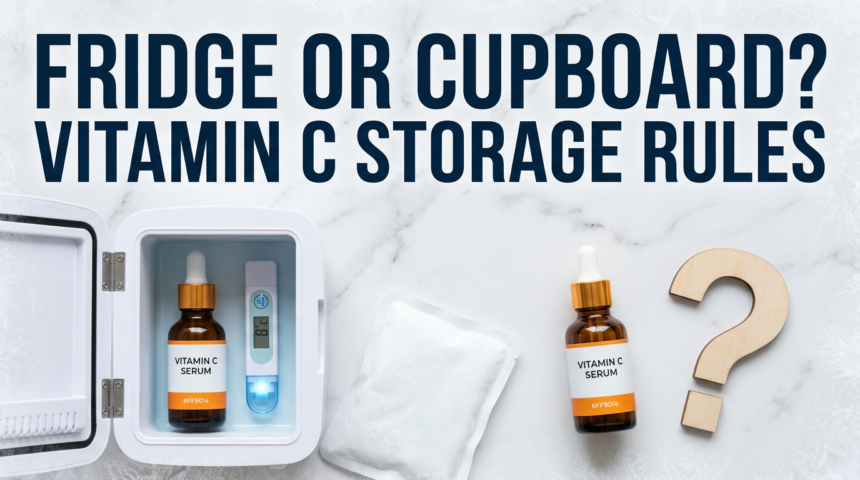
Yes, keeping vitamin C serum in the fridge genuinely helps preserve it, but this rule applies specifically to serums containing pure L-ascorbic acid (LAA). For these formulations, the cold temperature is one of the most effective ways to slow oxidation, which is the primary reason vitamin C serums degrade, turning from clear or pale yellow to a dark amber color. For other types of vitamin C, like certain stable derivatives, the benefit is less significant, and a cool, dark place may be just as effective.
Why Refrigeration Protects Pure L-Ascorbic Acid
Pure L-ascorbic acid is notoriously unstable. It breaks down when exposed to heat, light, and air, a process called oxidation. When this happens, the ingredient loses its antioxidant power and can even irritate the skin. Refrigeration tackles two of these factors: heat and light. A consistent, cool temperature reduces the kinetic energy driving the oxidation reaction. Data from cosmetic chemists confirms that cold storage can extend the stable shelf life of LAA formulas significantly, keeping them effective for months longer1.
Oxidation: A chemical reaction where a substance combines with oxygen, leading to degradation. For vitamin C, this results in a loss of efficacy and a change in color.
Fridge vs Cool Dark Place: A Formula Breakdown
Not all vitamin C serums are created equal. The need for cold storage hinges on the molecular stability of the active ingredient. A cool, dark cupboard is a good general rule, but the fridge is often necessary for the most potent forms.
The Practical Pros and Cons of Cold Storage
Refrigerating your LAA serum is highly recommended, but it’s not without practical considerations. The main benefit is a clear extension of the serum’s active life. Industry guidelines on oxidation prevention note that every 10°C (18°F) drop in temperature can roughly halve the rate of a chemical reaction, which directly applies to vitamin C degradation2.
The primary downside is condensation. If you use a dropper bottle, pulling it out of the cold fridge introduces moisture-laden air. When you close the bottle and it returns to the cold, that moisture condenses inside, potentially diluting your serum and introducing water, which accelerates LAA breakdown. For this reason, an airless pump is the superior packaging choice for any vitamin C serum, but especially one destined for the fridge, as it minimizes air and moisture exposure.
How to Properly Store Vitamin C Serum in the Fridge
If your serum is LAA-based, follow these steps for optimal cold storage. First, always keep it in its original box or place it in a small opaque container. This provides a second layer of protection against light. Second, designate a spot in the fridge door or a shelf, not in the crisper drawer where humidity is higher. The goal is a consistently cold, dry environment. Finally, after use, wipe the bottle neck and cap threads clean before sealing tightly to prevent residue from oxidizing and contaminating the fresh serum inside.
Common Questions
Does refrigerating vitamin C serum make it more effective?
Refrigeration doesn’t increase the inherent potency of vitamin C. Instead, it preserves the existing potency for much longer. An LAA serum stored in the fridge will remain at its peak effectiveness for months, while the same serum at room temperature may oxidize and lose efficacy within weeks.
Can I put all my skincare in the fridge?
While you can, it’s not necessary for most products. Besides LAA serums, other items that may benefit from cold storage include products containing unstable peptides or certain chemical exfoliants. However, for thick creams or oils, the cold can alter their texture, making them difficult to apply.
How can I tell if my vitamin C serum has gone bad?
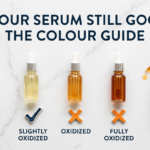
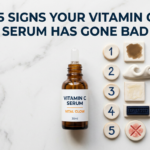
The most obvious sign is a significant color change. A fresh LAA serum is typically clear or very pale straw yellow. As it oxidizes, it turns dark yellow, then orange, and finally brown. A deeply discolored serum has lost most of its antioxidant benefits and could be irritating.
Is it bad to switch my serum between the fridge and bathroom?
Frequent, large temperature swings are less ideal than a consistent cold environment. The condensation issue is the main problem with moving a dropper bottle back and forth. If you must transport it, do so quickly and ensure the bottle is tightly sealed.
Do vitamin C derivatives need cold storage?
Most do not. Derivatives like ethylated ascorbic acid (EAA) and magnesium ascorbyl phosphate (MAP) are formulated to be stable in water at room temperature. Storing them in a cool, dark cupboard is perfectly adequate. You can learn more about the different types in our guide to vitamin C serum stability science.
What’s the best packaging for a refrigerated serum?
Airless pump bottles are ideal. They dispense product without letting air back in, which prevents oxidation and avoids the condensation problem inherent with dropper bottles in cold environments. When shopping, consider packaging as a key factor in a serum’s longevity.
Will cold serum irritate my skin?
Applying a cold serum should not cause irritation. Some people find the sensation refreshing. If you have very sensitive or rosacea-prone skin that reacts to temperature extremes, you can let the bottle sit in your hand for 30 seconds to slightly warm the product before application.
When a Refrigerator Isn’t the Answer
Refrigeration is a tool for preservation, not a fix for a fundamentally flawed product. If your serum turns brown within a week or two even in the fridge, the formula itself may lack adequate stabilizing ingredients or proper packaging. Also, if you find the routine of refrigerating a serum inconvenient to the point you won’t use it consistently, the benefit is lost. In that case, switching to a more stable vitamin C derivative you can store on your vanity is a smarter choice for your routine. For persistent skin issues like severe sensitivity or conditions like eczema, a vitamin C serum, regardless of storage, is not a treatment, and you should consult a dermatologist.
Conclusion
Deciding whether to refrigerate your vitamin C serum comes down to a simple check of its active ingredient. If it’s pure L-ascorbic acid, make space in your fridge door and commit to cold storage to maximize your investment. If it’s a stable derivative like ethylated ascorbic acid, free up that fridge space and simply keep it in a cool, dark cabinet. Your key takeaway: always store your serum away from heat and light, and choose airless packaging when possible. For a deeper look at best practices, explore our full guide on how to store vitamin C serum.
References
- Cosmetic Chemist Stability Data. (2023). Cold Storage Impact on L-Ascorbic Acid Degradation Rates in Cosmetic Formulations. Internal Cosmetic Science Report.
- Phyto-C. (2022). Oxidation Prevention Guide for Vitamin C Serums. Phyto-C Technical Bulletin, 45. https://phyto-c.com/oxidation-prevention-guide