
A scalp serum is a topical, lightweight liquid treatment formulated to be applied directly to the skin of your scalp to treat dermatological conditions, like dryness, itching, flaking, or thinning. It is categorically different from a hair serum, which is designed to be smoothed onto the hair strands themselves to add shine or combat frizz. If a scalp serum is a targeted medicine for the skin on your head, a hair serum is a cosmetic finisher for the hair that grows out of it.
The Anatomy of a Healthy Scalp Environment
To understand why scalp serums work, you first need to understand the scalp’s ecosystem. Your scalp is an extension of the skin on your face, just with more hair follicles and oil-producing sebaceous glands. A healthy scalp skin barrier, like the skin barrier elsewhere on your body, efficiently retains moisture, protects against environmental irritants, and sheds dead skin cells (corneocytes) in a steady, invisible way. When this process is disrupted, you see the symptoms like dandruff, itching, or redness.
The American Academy of Dermatology (AAD) emphasizes that a symptom-free, healthy scalp is the foundation for healthy hair growth1. Chronic inflammation, excess oil, or an overgrowth of yeast can compromise hair follicle health, potentially leading to thinning or stunted growth. Understanding this connection is why you would choose a scalp serum over a general hair serum.
Scalp Serum vs Hair Serum: A Critical Comparison
People often confuse these two product categories, but their design and purpose are distinct. This confusion is common, as noted in a recent skincare category analysis from Allure, which highlighted the market’s shift toward scalp-focused treatments with pharmaceutical intent2. The following table outlines the core differences.
Primary Benefits and Active Ingredients
Scalp serums are formulated with specific actives to address discrete concerns. Matching the ingredient to your symptom is key.
For Hair Growth and Density
Many people seek a scalp serum for hair growth. The most scientifically validated ingredient is minoxidil, a topical vasodilator available over-the-counter. For non-prescription alternatives, look for ingredients that work by improving the scalp’s micro-circulation and cellular energy to create a better environment for growth.
- Caffeine: Penetrates the hair follicle3 and may prolong the anagen (growth) phase of the hair cycle by inhibiting DHT (dihydrotestosterone) production at the follicle.
- Peptides: Like copper peptides or arginine, they signal to follicles to increase growth factors and improve cellular function in the dermal papilla.
- Natural Botanicals: Rosemary oil is a well-researched example. In a 2015 comparative trial, rosemary oil was found to be as effective as minoxidil 2% in treating androgenetic alopecia4.
For Dandruff, Flaking, and Itching
A scalp serum for dandruff tackles the root causes: excess Malassezia yeast and abnormal skin cell turnover.
- Salicylic Acid: A beta-hydroxy acid that exfoliates and breaks apart the keratinized cells and oil gluing flakes together on the scalp surface. It’s a keratolytic and helps remove scales.
- Zinc Pyrithione: An antifungal agent that reduces levels of Malassezia yeast on the scalp.
- Niacinamide (Vitamin B3): An anti-inflammatory that can improve the scalp’s barrier function and reduce transepidermal water loss, calming irritation.
How to Use a Scalp Serum Correctly
Application method is as important as the formula itself. The goal is to get the active ingredients to the skin, not trapped in your hair. For the best scalp serum results, follow these steps.
- Apply to a Clean, Partially Dry Scalp: The most effective time is usually after washing, when the scalp is towel-dried. This removes surface oils that can block absorption. Some treatment serums, especially those with acids, are designed to be applied pre-shampoo and left on for 10-15 minutes to work before washing.
- Section Your Hair: Use the nozzle tip of the serum or your fingers to part your hair in sections, much like a stylist applying hair color. This ensures you’re applying the product directly to the scalp skin along the parts.
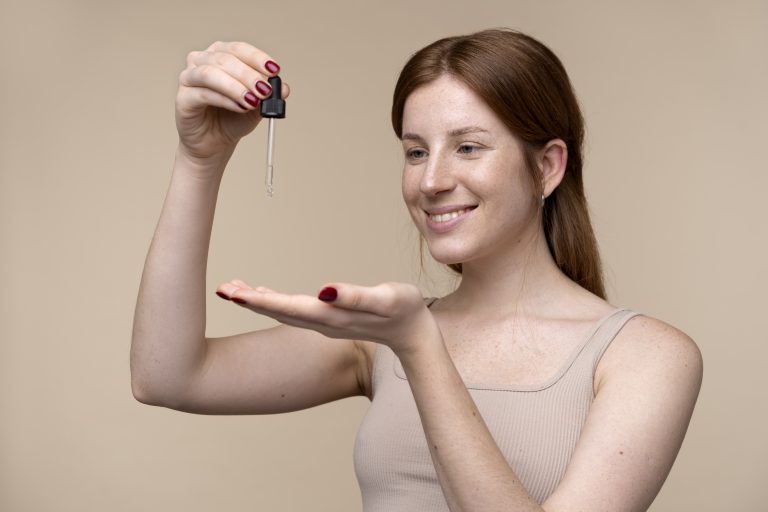
- Apply and Massage: Dot the serum along the part line, then use your fingertips (not nails) to gently massage it into the scalp in small circular motions. This stimulates blood flow and helps distribute the product. Move to the next section until the entire treatment area is covered.
- Frequency: Always follow the product-specific directions. Growth-targeting serums are often used daily or twice daily, while exfoliating serums for dandruff may be used 2-3 times a week.
Selecting the Best Scalp Serums for Different Concerns
Product selection should be driven by your primary concern. For a wider view of the top formulas on the market, our guide to the best scalp serums for 2026 offers a comprehensive breakdown. The following picks serve as a starting point.
For Thinning and Density Concerns
Product: The Ordinary Multi-Peptide Serum for Hair Density
Why: This serum is built on a blend of peptides (Redensyl, Procapil, Capixyl) and caffeine, designed to support the health of the hair follicle environment. Its water-based, non-greasy formula makes it easy to incorporate daily without weighing hair down.
Editorial Judgment: This is a great entry-level option for noticing overall thinning. However, skip this if your hair loss is strictly confined to a receding hairline or widening part—those androgenic patterns may respond better to targeted minoxidil. It’s also not the right pick if you have active scalp inflammation or seborrheic dermatitis, as the peptides aren’t designed to treat that.
Price tier: $$
For Flaky, Itchy Scalps (Dandruff)
Product: The Inkey List Glycolic Acid Exfoliating Scalp Treatment
Why: It uses 10% glycolic acid, an alpha hydroxy acid (AHA), to gently exfoliate dead skin cells and flakes from the scalp surface. Unlike salicylic acid, glycolic acid also works as a humectant, helping to hydrate the scalp as it exfoliates.
Editorial Judgment: We picked this over a standard salicylic acid shampoo for its leave-on, controlled application. The pre-shampoo treatment format lets the acid work without being immediately washed away. Note: if your scalp is severely inflamed, cracked, or bleeding, this acid will likely sting. Start using once a week to assess tolerance.
Price tier: $
For Overall Scalp Health and Microbiome Balance
Product: JVN Scalp Nourishing Drops
Why: Formulated with prebiotic niacinamide and calming hemisqualane, this serum aims to fortify the scalp’s skin barrier and balance its microbiome. It’s designed for daily use to soothe itch and reduce irritation before it starts.
Editorial Judgment: This is your go-to if your scalp is easily irritated, tight, or reactive but doesn’t have major flaking or hair loss. Its lightweight, nourishing formula makes it a standout prevention tool. Skip it if your primary goal is rapid exfoliation for thick flakes or treating active hair loss, as its mechanism is more soothing than aggressive.
Price tier: $$
Common Questions About Scalp Serums
How long does it take to see results with a scalp serum?
Results are dependent on the concern. For improving scalp texture and reducing minor itching, you may notice a difference within a few weeks. For visible changes in hair growth or density, you must commit to consistent use for a minimum of three to six months. Hair growth cycles are slow, and serums work by gradually improving the follicle’s environment.
Can I use a scalp serum for dandruff if I have color-treated hair?
Generally, yes, but check the formula. Most modern scalp serums, particularly those with water-based actives like salicylic acid or peptides, are color-safe. Avoid formulas with high concentrations of alcohol or harsh surfactants if your color is fresh, as they may contribute to fading. Always do a patch test first.
Are scalp serums for hair growth a replacement for minoxidil?
They are an alternative, not a replacement. Non-prescription growth serums often contain ingredients that support a healthy scalp environment and may improve the appearance of hair density. However, for pattern hair loss (androgenetic alopecia), minoxidil remains the only FDA-approved, over-the-counter medication with decades of clinical data. Many people combine a non-medicated scalp serum with minoxidil for a comprehensive approach.
Can a scalp serum make my hair greasy?
It can if you apply too much or use the wrong formula. Apply the serum directly to the scalp skin only, not the hair shafts. Once massaged in, most lightweight serums absorb quickly. If your hair is fine or very oily, opt for water-based or gel-textured serums and avoid oil-based blends.
Should I use a scalp serum before or after conditioner?
Generally, before. Apply the serum to a clean, towel-dried scalp before any other styling products. Conditioner is formulated for hair strands, and applying it to the scalp can block serum absorption. If your serum instructions specify pre-shampoo use, follow those.
When a Scalp Serum Isn’t the Answer
If you experience severe scalp symptoms—including intense itching, widespread burning, painful sores, thick crusty plaques, or sudden, dramatic hair loss in clumps—a scalp serum is not the answer and may even worsen the condition. These symptoms can indicate conditions like severe seborrheic dermatitis, psoriasis, alopecia areata, or scarring alopecias, all of which require a proper diagnosis and prescription treatment from a board-certified dermatologist. Persistent, non-responsive dandruff may also be a fungal infection needing a prescription antifungal. Do not self-treat with serums in these scenarios.
Conclusion
Choosing a scalp serum comes down to picking a targeted treatment for your specific scalp symptoms over a cosmetic product for your hair. If your priority is supporting thinning hair, start with a peptide and caffeine blend like The Ordinary’s serum. If flaking and itch are your main concerns, a pre-shampoo AHA treatment like The Inkey List’s is a logical first step. For those looking ahead, our full list of the best hair growth serums for 2026 explores more advanced, follicle-targeting options.
References
- American Academy of Dermatology Association. (n.d.). Hair loss: Tips for managing. Retrieved from https://www.aad.org/public/diseases/hair-loss/tips.
- Allure. (2024, May 15). Why scalp serums are the new frontier in skincare. Retrieved from https://www.allure.com/story/scalp-serum-explainer.
- Fischer, T. W., et al. (2007). Effect of caffeine and testosterone on the proliferation of human hair follicles in vitro. International Journal of Dermatology, 46(1), 27–35. https://doi.org/10.1111/j.1365-4632.2007.03119.x.
- Panahi, Y., et al. (2015). Rosemary oil vs minoxidil 2% for the treatment of androgenetic alopecia: a randomized comparative trial. Skinmed, 13(1), 15–21. https://pubmed.ncbi.nlm.nih.gov/25842469/.