
Rosemary Serum for Hair Growth: Does It Really Work?
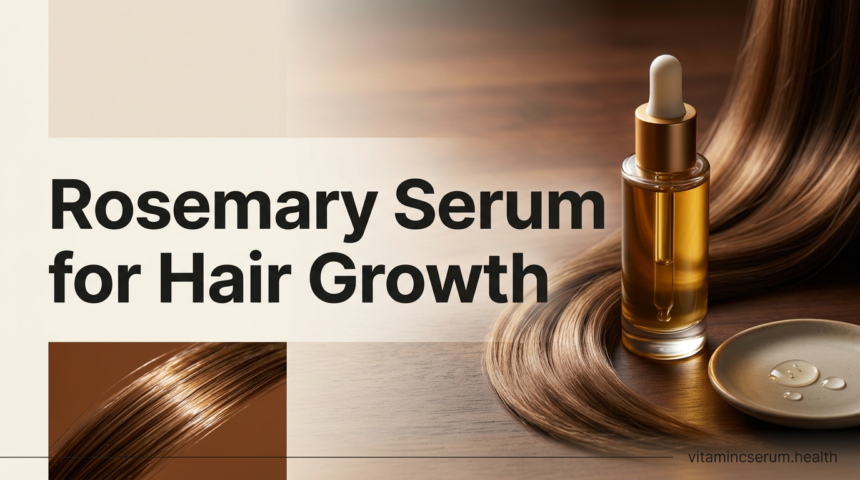
Yes, there is compelling scientific evidence that rosemary serum can be as effective as minoxidil for certain types of hair growth. The question of rosemary serum’s effectiveness compared to minoxidil is directly answered by a 2023 clinical trial published in CEBiomed. Over six months, researchers found that a topical rosemary oil treatment was statistically as effective as 2% minoxidil in increasing hair count for individuals with androgenetic alopecia, the most common form of hereditary hair loss. It appears to work through a different mechanism, potentially reducing scalp inflammation and improving circulation. For many, especially those who experience scalp irritation from minoxidil, rosemary offers a promising, natural alternative. Understanding the correct application and concentration is key to seeing results.
- Rosemary Serum for Hair Growth: Does It Really Work?
- Understanding the Science: How Rosemary Serum Stimulates Growth
- Rosemary vs. Minoxidil: A Detailed Comparison
- How to Properly Use a Rosemary Hair Serum
- Selecting the Best Rosemary Serum for Your Scalp
- A Simple, Effective DIY Rosemary Hair Serum Recipe
- Integrating Rosemary Serum into Your Hair Care Routine
- Frequently Asked Questions
- Conclusion
Understanding the Science: How Rosemary Serum Stimulates Growth
The growing interest in rosemary serum for hair loss in women and men stems from its proposed multi-target mechanism. Rosemary oil contains bioactive compounds like carnosic acid and rosmarinic acid, which possess strong antioxidant and anti-inflammatory properties. Chronic, low-grade inflammation around hair follicles is a known contributor to hair thinning. By soothing this inflammation, rosemary oil may help create a healthier environment for follicles to function. Some research also suggests it might inhibit the activity of 5-alpha reductase, the enzyme that converts testosterone to DHT (dihydrotestosterone), a hormone linked to follicle miniaturization in pattern hair loss. While the exact pathways are still being mapped, the clinical results are encouraging for a non-pharmaceutical option.
Scalp Serum: A lightweight, leave-in liquid treatment designed to be massaged directly into the scalp. Unlike hair oils that coat strands, its primary goal is to deliver active ingredients (like rosemary extract) to the follicle roots to improve scalp health and stimulate growth.
Rosemary vs. Minoxidil: A Detailed Comparison
Navigating the choice between rosemary and minoxidil requires understanding their differences. The landmark 2023 study provides a solid foundation for the rosemary vs minoxidil hair growth conversation. While both showed comparable efficacy in increasing hair count, their profiles differ significantly. The table below outlines the key points to help you evaluate which might align better with your goals and tolerance.
How to Properly Use a Rosemary Hair Serum
Correct application is crucial for any treatment to work. A rosemary serum for scalp treatment should be integrated into your routine like any other active. Start with a clean, dry, or towel-dried scalp to ensure maximum absorption. Part your hair in sections and apply the serum directly to the scalp, not the hair lengths. Use the dropper to place a few drops along each part, then use your fingertips to gently massage it in for 1-2 minutes. This boosts circulation and helps distribute the product. Most serums are designed for daily use, often in the evening. Be patient, consistent results typically take 4 to 6 months of daily use. For a broader overview of application techniques, see our guide on how to use hair serum effectively.
Selecting the Best Rosemary Serum for Your Scalp
With many products on the market, knowing what to look for helps you find the best rosemary serum for scalp health. Prioritize serums that list rosemary extract or oil high on the ingredient list, indicating a meaningful concentration. Look for complementary ingredients like caffeine (for circulation), niacinamide (for barrier support), or hyaluronic acid (for hydration). Avoid formulas loaded with heavy silicones or drying alcohols that can clog follicles or irritate the scalp. Packaging matters, an airtight, opaque bottle helps preserve the integrity of the active compounds. Always patch test a new serum behind your ear before full scalp application. You can explore more top-rated options in our curated list of the best hair growth serums for 2026.
A Simple, Effective DIY Rosemary Hair Serum Recipe
If you prefer a hands-on approach, making a DIY rosemary hair serum is straightforward. The key is proper dilution, as essential oils are potent and can cause irritation if applied directly. You will need a 1-ounce glass dropper bottle, 1 tablespoon of a lightweight carrier oil like jojoba or argan oil, and 3-5 drops of pure rosemary essential oil. Add the carrier oil to the bottle, then add the rosemary essential oil. Cap the bottle and shake gently to blend. To use, apply a few drops to your scalp as described in the application section. Store in a cool, dark place and use within 2-3 months. This simple blend allows you to control the ingredients and strength.
Integrating Rosemary Serum into Your Hair Care Routine
A rosemary serum works best as part of a holistic approach to scalp health. Think of it as a targeted treatment, not a standalone miracle. Use it consistently, but also ensure you are managing stress, eating a nutrient-rich diet, and treating your scalp gently. Avoid overwashing with harsh sulfates, which can strip the scalp’s natural oils. You can alternate your rosemary serum with other targeted treatments, but give each product time to work. Remember, the goal is to improve the overall health of your scalp ecosystem, which is the foundation for strong hair growth. For a deeper dive into what these treatments are designed to do, learn more about what a scalp serum is and how it differs from other hair products.
Frequently Asked Questions
Can rosemary serum cause hair loss or shedding?
Unlike minoxidil, rosemary serum does not typically cause a noticeable initial shedding phase. If you experience increased hair loss, it could be due to irritation from an undiluted essential oil or an unrelated timing of your natural hair cycle. Always use a properly diluted product and discontinue use if significant irritation occurs.
How long does it take to see results with rosemary serum?
You need to be patient. Based on the clinical study parameters and anecdotal reports, visible results usually take a minimum of 4 to 6 months of consistent, daily application. Hair growth cycles are slow, so evaluating progress monthly with photos is more realistic than checking weekly.
Is rosemary serum safe for colored or chemically treated hair?
Generally, yes. Most formulated rosemary serums are water-based or use light oils that do not strip color. However, a DIY serum with a carrier oil could potentially accelerate color fading if it coats the hair shaft. It’s best to apply any serum only to the scalp, not the lengths of colored hair.
Can I use rosemary serum if I have a sensitive scalp?
Proceed with caution. Perform a patch test first. Look for serums formulated for sensitive skin, free from added fragrances, menthol, or drying alcohols. You can also try diluting a drop of serum with a bit of aloe vera gel before application to further buffer it.
Is rosemary serum effective for hair loss in women?
The 2023 CEBiomed study included both men and women with androgenetic alopecia, showing positive results for both. Rosemary serum for hair loss in women can be a viable option, particularly for those with pattern thinning who prefer a natural alternative or cannot tolerate minoxidil.
Can I use rosemary serum alongside minoxidil?
There is no established clinical protocol for combining them, and it could increase the risk of scalp irritation. It is generally advised to choose one primary treatment to properly assess its efficacy. If you wish to combine approaches, consult a dermatologist first.
Do I need to wash my hair after applying rosemary serum?
No. Scalp serums are designed as leave-in treatments. Washing it off would remove the active ingredients before they can be absorbed. Apply to a clean scalp and leave it on to work overnight or throughout the day.
Conclusion
The evidence for rosemary serum as a legitimate hair growth treatment is stronger than ever, offering a clinically-supported alternative to minoxidil for pattern hair loss. Its mechanism, focusing on antioxidant support and inflammation reduction, addresses scalp health from a different angle. Success hinges on choosing a well-formulated product, applying it correctly to the scalp, and committing to consistent use for several months. Whether you opt for a ready-made serum or a simple DIY blend, integrating it into a broader routine of gentle hair care and good nutrition offers the best path to results. Always consult a dermatologist for a formal diagnosis if you are experiencing significant hair loss.