
Can Vitamin C Serum Cause Chemical Burns? The Straight Answer
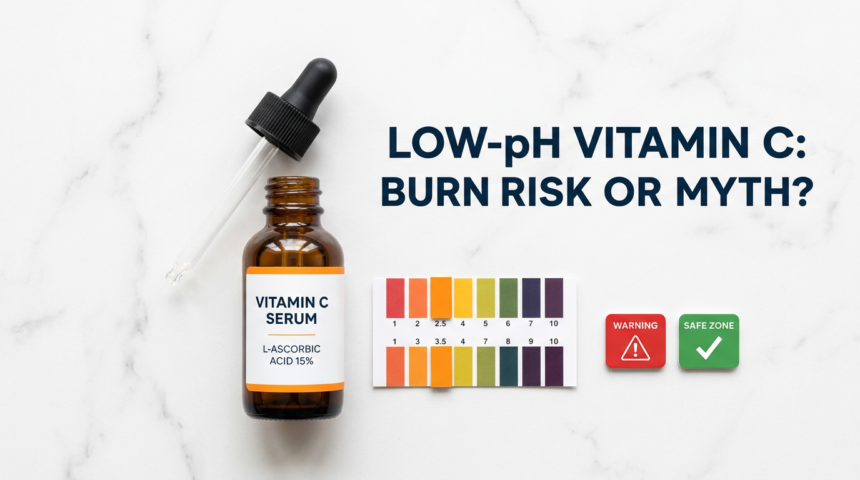
Yes, a vitamin C serum can cause a chemical burn, but it is highly unlikely from normal cosmetic use. A true chemical burn (or acid burn from vitamin C) requires prolonged contact with a very high concentration of pure ascorbic acid, a scenario far outside typical skincare routines. The more common experience is significant barrier irritation, which, while distressing, is not a burn in the clinical sense. The key warning signs of a damaging reaction are intense, persistent redness, a stinging or burning sensation that lasts more than 15 minutes, or visible skin peeling in the hours after application. The confusion often stems from the low pH nature of effective L-ascorbic acid serums. While a pH of around 3.5 is necessary for stability and skin penetration, this acidity can cause a temporary tingle. This is usually normal, but when the skin’s protective barrier is weak, this tingle can escalate into inflammation. Understanding the distinction is crucial for both safety and effective product use.
- Can Vitamin C Serum Cause Chemical Burns? The Straight Answer
- The Skin Barrier and Low-pH Actives: A Delicate Balance
- What the Research Says: Chemical Burns vs. Irritation
- Symptoms: Normal Tingle vs. Warning Signs of Damage
- Why a 20% Vitamin C Serum Burn is a Common Concern
- Emergency Protocol: What to Do if Your Skin Reacts Badly
- Preventing a Reaction: Smart Application Strategies
- When a Vitamin C Serum Isn’t the Answer
- Common Questions
- Conclusion
- References
The Skin Barrier and Low-pH Actives: A Delicate Balance
To understand what feels like a burn, you need to know what’s happening at the skin’s surface. Your stratum corneum is a protective layer of dead skin cells (corneocytes) bound by a lipid matrix. This “acid mantle” naturally maintains a pH of around 4.5 to 5.5, which is essential for barrier function and a healthy microbiome. When you apply a serum with a pH of 3.0 to 3.5, you create a temporary, localized pH shock.
Stratum Corneum: The outermost layer of the epidermis, composed of corneocytes embedded in a lipid matrix. Its integrity and slightly acidic pH are vital for skin barrier function.
For a healthy barrier, this low pH is manageable. It facilitates the conversion of ascorbic acid into its active form and improves its penetration into the dermis. However, if your barrier is already compromised from over-exfoliation, sunburn, or underlying conditions, this acid shock bypasses weakened defenses and triggers a stronger inflammatory response. This is not a burn, but rather a signal that your skin’s first line of defense has been breached. This mechanism is often at the heart of common vitamin C serum side effects.
What the Research Says: Chemical Burns vs. Irritation
Documented cases of true chemical burns from topical ascorbic acid are rare and often involve atypical exposure. A case report in Contact Dermatitis detailed a chemical burn in a patient who applied pure, high-concentration ascorbic acid powder directly to the skin and left it under occlusion for an extended period. The resulting injury mimicked a thermal burn. This scenario underscores that a true burn requires an extreme combination of concentration, pH, and contact time that a bottled, pre-formulated serum is extremely unlikely to replicate.
Clinical dermatology distinguishes between this type of chemical injury and irritant contact dermatitis (ICD). A chemical burn involves direct, rapid tissue damage (coagulative necrosis). Irritant contact dermatitis from a vitamin C serum is a more common inflammatory response. It occurs when the acidic serum overwhelms the skin’s ability to buffer it, leading to redness, swelling, and sometimes micro-tears, but not full-thickness skin damage. A true burn heals with potential scarring, while barrier irritation heals with proper care and time, provided you stop the offending agent. If you’re experiencing symptoms, you may find it helpful to read about why vitamin C serum can cause itching.
Symptoms: Normal Tingle vs. Warning Signs of Damage
Learning to read your skin’s signals is the most important step in preventing a bad reaction. Use this comparison to gauge your experience.
If you recognize the symptoms in the right column, you are likely experiencing barrier irritation, not a chemical burn. This is your skin telling you to stop and reassess. The specific vitamin C serum skin burn symptoms people search for are almost always these signs of severe irritant contact dermatitis.
Why a 20% Vitamin C Serum Burn is a Common Concern
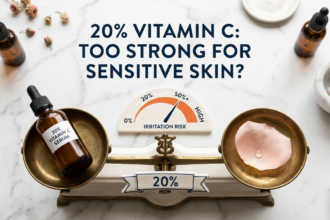
The quest for efficacy leads many to high-concentration formulas, making the search for a 20% vitamin C serum burn a frequent query. Concentration matters, but it’s not the sole factor. A 20% L-ascorbic acid serum is at the upper limit of what skin can effectively absorb; beyond this, the excess simply sits on the skin as an irritant. For someone with a resilient barrier, a well-formulated 20% serum may cause only a brief tingle. For someone with sensitive or compromised skin, the same formula can be the tipping point that leads to significant inflammation. The risk is compounded if the formula lacks soothing buffers or if the user applies it to damp skin, which increases penetration and potential irritation. High concentration is not a virtue in itself, and starting with a lower percentage (10-15%) is the prudent path for most people, especially if you have a history of sensitivity. For those individuals, a dedicated guide on vitamin C serum for sensitive skin is essential.
Emergency Protocol: What to Do if Your Skin Reacts Badly
If you apply a serum and experience a severe, burning reaction, act immediately. First, rinse your face with copious amounts of cool water for several minutes. Do not scrub. Gently pat your skin dry with a clean towel. For the next several days, follow a strict barrier repair regimen: cease all actives (vitamin C, retinoids, exfoliating acids). Cleanse only with a gentle, non-foaming, pH-balanced wash. Apply a bland, fragrance-free moisturizer with barrier-supporting ingredients like ceramides, cholesterol, and fatty acids. Petroleum jelly or a zinc oxide cream can be used as an occlusive over moisturizer at night to accelerate healing. Protect your skin with a gentle mineral sunscreen during the day. Do not attempt to reintroduce vitamin C or any other active until all signs of redness, tightness, and peeling have completely resolved for at least one week.
Preventing a Reaction: Smart Application Strategies
Prevention is rooted in respecting your skin’s current state and introducing actives intelligently. Always perform a patch test on your inner arm or behind the ear for 2-3 days before applying a new serum to your face. Start by using the serum just 2-3 times a week, applying it to completely dry skin after cleansing. Applying to damp skin accelerates penetration and increases the risk of stinging. You can also buffer the serum by applying a thin layer of moisturizer first, waiting for it to dry, then applying the vitamin C. This creates a gentle barrier that slows absorption. Ensure your skin barrier is healthy before starting; if you are recovering from a sunburn, a recent chemical peel, or are using prescription retinoids, hold off on introducing a potent L-ascorbic acid serum.
When a Vitamin C Serum Isn’t the Answer
If you consistently experience negative reactions even to gentle, low-concentration formulas, your skin may be signaling that traditional L-ascorbic acid is not suitable. This is common for those with rosacea, active eczema, or severely compromised barrier function. In these cases, a vitamin C serum is not the answer and will likely exacerbate inflammation. Instead, focus solely on barrier repair. Once your skin is calm and resilient, you can explore alternative, non-acidic forms of vitamin C, such as magnesium ascorbyl phosphate, sodium ascorbyl phosphate, or tetrahexyldecyl ascorbate (THD ascorbate). These derivatives are more stable, work at a skin-neutral pH, and are far less likely to cause stinging or irritation, though they may be less potent. Consulting a dermatologist is the best course if reactions persist.
Common Questions
Can vitamin C serum damage your skin permanently?
No, a reaction to a cosmetic vitamin C serum does not cause permanent damage in the vast majority of cases. The visible damage is to the skin barrier, which is fully capable of repairing itself with proper care. Permanent scarring would only be a risk in the context of an actual chemical burn, which, as noted, is extraordinarily rare from normal serum use.
Is it normal for vitamin C serum to burn on broken skin?
Yes, it is expected and a sign you should not apply it there. Any active ingredient, especially a low-pH acid, will cause significant stinging on broken skin (like cuts, popped pimples, or eczema patches). It impedes healing and can cause further irritation. Always avoid applying serums to areas of broken skin.
How can I tell if my serum is too strong or just expired?
A serum that is “too strong” (high concentration) for your skin will cause immediate redness and stinging upon first use. An expired or oxidized serum (which turns dark yellow or brown) can also become irritating because the degradation products are inflammatory. An expired serum’s irritation may develop even if you previously tolerated it well, and is often accompanied by a lack of efficacy.
Why did my vitamin C serum start burning after months of use?
This usually indicates a change in your skin’s condition, not the serum. Your barrier may have become compromised from other factors like over-exfoliation, seasonal dryness, a new medication, or stress. It could also mean the serum has oxidized and gone bad. Pause use, repair your barrier, and check the serum’s color before trying again.
Can I use vitamin C if I have rosacea?
You must proceed with extreme caution. The inherent low pH and potential for vasodilation (flushing) make L-ascorbic acid a common trigger for rosacea flare-ups. It is generally recommended that individuals with rosacea avoid acidic vitamin C serums and opt for a neutral-pH derivative like sodium ascorbyl phosphate, and only after patch testing and during a period of stable skin.
What’s the difference between a “purge” and a burn from vitamin C?
Vitamin C does not cause purging. Purging is a temporary increase in breakouts that occurs when an ingredient (like retinoids or exfoliating acids) accelerates skin cell turnover, bringing clogs to the surface faster. A reaction to vitamin C is purely irritant, presenting as redness, stinging, and peeling, not as a cluster of new whiteheads or cysts in your usual breakout areas.
Should I see a doctor for a vitamin C serum burn?
If your reaction is severe—characterized by intense pain, blistering, swelling, or oozing that does not improve with basic care within 24-48 hours—you should consult a doctor or dermatologist. They can assess for true chemical burns or secondary infection and may prescribe a topical corticosteroid to calm severe inflammation.
Conclusion
Navigating the potent benefits of vitamin C serum requires understanding its potential to irritate. The decision you’re making is about balancing efficacy with your skin’s tolerance. If you have never used vitamin C before, start with a gentle, 10% L-ascorbic acid formula applied to dry skin twice a week. If you have sensitive or reactive skin, bypass the low-pH serums entirely and choose a stabilized derivative. If you experience a reaction, stop immediately and focus on barrier repair—your skin’s health is the priority over any single active ingredient. To find a gentler option suited to your needs, explore our guide to sensitive skin formulations.
References
- Kumar, A., & Saraswat, A. (2018). Chemical burn caused by topical ascorbic acid. Contact Dermatitis, 79(3), 182–183. https://doi.org/10.1111/cod.13025
- Zirwas, M. J., & Stechschulte, S. A. (2008). Moisturizer allergy: diagnosis and management. The Journal of Clinical and Aesthetic Dermatology, 1(4), 38–44. https://pubmed.ncbi.nlm.nih.gov/21212846/
- Telang, P. S. (2013). Vitamin C in dermatology. Indian Dermatology Online Journal, 4(2), 143–146. https://doi.org/10.4103/2229-5178.110593