
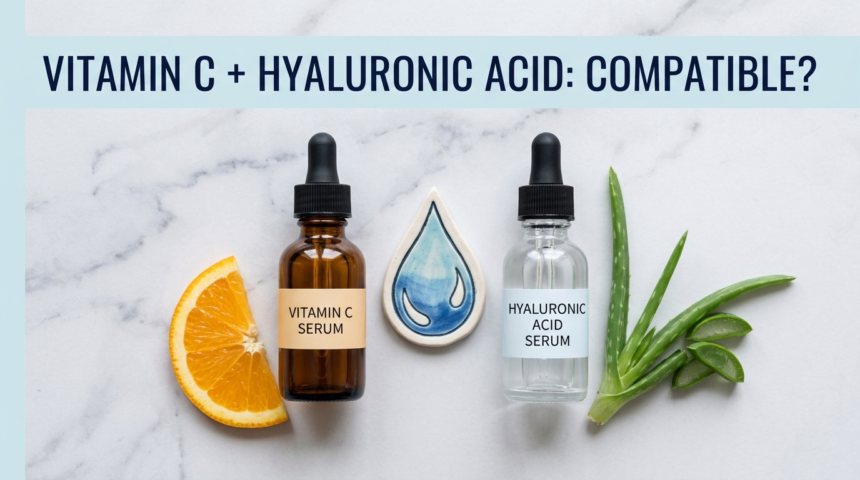
Yes, you can absolutely use vitamin C serum and hyaluronic acid together in your routine. This is one of the most effective and dermatologist-recommended combinations for morning skincare. When layered correctly, these ingredients work in complementary ways: vitamin C provides antioxidant protection and brightening, while hyaluronic acid delivers intense hydration, potentially enhancing the skin’s environment for vitamin C to work. Concerns about them “cancelling each other out” are largely unfounded, though application order and technique are crucial to maximize their benefits. Understanding the correct vitamin C then hyaluronic acid order is key.
The Science of Compatibility: Do They Cancel Out?
A core question when mixing vitamin c serum with hyaluronic acid is whether they interfere chemically. The good news is that these two ingredients are not reactive with each other in a way that would inactivate them. Hyaluronic acid is a large, stable polysaccharide, and vitamin C (ascorbic acid) is an acidic antioxidant. They exist in different pH ranges, but in the context of layered skincare, where each product is allowed to absorb sequentially, there is no significant evidence of neutralization. Any dilution is minor and does not impact the efficacy of a well-formulated serum.
In fact, hyaluronic acid may offer a supportive benefit. By drawing water into the skin and plumping the stratum corneum, HA can improve the skin’s overall hydration status. Some research suggests that well-hydrated skin may have a more optimal barrier function, which can create a better environment for the penetration and stability of other active ingredients, though this effect is indirect and supportive rather than a direct boosting mechanism1. Think of HA as creating a hydrated canvas, not a chemical activator for vitamin C.
Sequential Application: This refers to applying skincare products one after another, allowing each to absorb into the skin before applying the next. This is the correct method for layering vitamin C and hyaluronic acid, as opposed to mixing them together in your palm.
The Correct Order: Vitamin C Then Hyaluronic Acid
Getting the layering order right is non-negotiable for effectiveness. The golden rule is: vitamin C first, followed by hyaluronic acid. This sequence is dictated by the principles of skincare layering: apply products from thinnest, most active consistency to thickest, most occlusive. A water-based vitamin C serum (typically a thin, aqueous liquid) should be applied to clean, dry skin to ensure optimal penetration of the ascorbic acid.
After allowing your vitamin C serum to absorb fully for 60-90 seconds, you then apply your hyaluronic acid serum. The key technique here is to apply the HA to slightly damp skin. You can either mist your face with water or simply apply the HA while your skin is still slightly tacky from the vitamin C. Hyaluronic acid needs water to pull into the skin; applying it to a dry face in a dry environment can lead it to pull moisture from deeper skin layers, potentially causing tightness. Applying it on damp skin ensures it pulls hydration from the surface inward2. This addresses the common confusion about hyaluronic acid before or after vitamin c.
Top Combination Serums (Vitamin C + HA)
If you prefer a streamlined routine, several expertly formulated serums combine both vitamin C and hyaluronic acid in one stable bottle. These vitamin c hyaluronic acid serum combinations eliminate guesswork about order and can be more cost-effective. When evaluating combo serums, look for stabilized forms of vitamin C (like L-ascorbic acid in an airtight, opaque bottle, or derivatives like ethyl ascorbic acid or THD ascorbate) paired with multiple molecular weights of hyaluronic acid for hydration at different skin depths.
1. SkinCeuticals C E Ferulic
This is the benchmark against which all other vitamin C serums are measured. It combines 15% L-ascorbic acid with vitamin E and ferulic acid, which synergistically stabilizes the formula and multiplies antioxidant protection. It also contains hyaluronic acid for hydration. The price is steep, but the clinical data supporting its efficacy for photoaging and antioxidant protection is substantial. Editorial judgment: This is a professional-grade treatment. Skip it if you are new to vitamin C or have a very tight budget; the investment is significant and the formula can be too potent for untrained skin. Price tier: $$$ / £££.
2. Vichy LiftActiv Vitamin C Serum
A strong mid-range option, this serum uses 15% pure L-ascorbic acid combined with Vichy’s mineralizing thermal water and hyaluronic acid. It’s packaged in airtight, single-dose capsules to ensure freshness and stability. We picked this over other drugstore options because of its rigorous packaging and the inclusion of trace minerals that can soothe skin. Editorial judgment: The capsule system guarantees potency but creates plastic waste. It’s ideal for travel or if you struggle with your vitamin C oxidizing in the bottle. Price tier: $$ / ££.
3. Paula’s Choice C15 Super Booster
This 15% vitamin C serum is boosted with vitamin E, ferulic acid, and peptides. While its primary focus is antioxidant potency, it is formulated in a base that includes hydrating ingredients. It’s a fantastic choice for those who want a potent, no-frills vitamin C and are comfortable adding a separate HA serum or moisturizer for hydration. Editorial judgment: This is a workhorse serum for vitamin C purists. If your main goal is intense hydration, you’ll still need a dedicated HA product alongside it, as its hydrating power is secondary to its antioxidant function. Price tier: $$ / ££.
Benefits of Combining These Actives
Using vitamin C and hyaluronic acid together creates a multifaceted morning routine. Vitamin C neutralizes free radicals from UV exposure and pollution, helps fade post-inflammatory hyperpigmentation, and supports collagen synthesis. Hyaluronic acid binds up to 1000 times its weight in water, dramatically increasing skin hydration, plumping fine lines, and creating a smooth, dewy base for makeup. This combination tackles both the protective/repair aspects and the immediate cosmetic need for hydration.
For those concerned with signs of aging, this duo is particularly powerful. Vitamin C’s role in collagen production helps with long-term firmness, while HA’s immediate plumping effect minimizes the appearance of fine lines caused by dehydration. This makes understanding the principles of how to layer serums effectively a valuable skill.
Common Mistakes to Avoid
The most frequent error is reversing the order. Applying a thicker HA serum first can create a film that hinders the absorption of the lighter vitamin C, significantly reducing its efficacy. Another mistake is applying HA to bone-dry skin, especially in arid climates, which can lead to trans-epidermal water loss and a feeling of tightness. Also, avoid mixing the two serums together in your palm before application; this can destabilize the vitamin C and alter the pH of both formulas.
Finally, do not skip sunscreen. Vitamin C makes your skin more photosensitive in the sense that it is actively fighting UV damage, but it is not a replacement for sunscreen. It’s a complement. Always finish your morning routine with a broad-spectrum SPF of 30 or higher.
When Mixing Vitamin C and Hyaluronic Acid Isn’t the Answer
If your primary skin concerns are active rosacea flares, eczema, or contact dermatitis, layering active serums may exacerbate irritation. In these cases, the priority should be barrier repair with a simple routine of a gentle cleanser, a fragrance-free moisturizer rich in ceramides, and sunscreen. Introducing vitamin C, especially in its potent L-ascorbic acid form, can sting and worsen inflammation. Similarly, if you experience persistent stinging, redness, or peeling from vitamin C alone, adding another product is not the solution. You should pause actives, simplify your routine, and potentially consult a dermatologist to rule out allergies or sensitivities. The goal is to treat your skin condition first, not to add more actives on top of it.
Common Questions
Can I use vitamin C and hyaluronic acid at night?
Yes, you can use them in your nighttime routine as well. The antioxidant protection from vitamin C is most beneficial during the day, but it also supports collagen production at night. If you use it at night, the same application order applies: vitamin C on dry skin first, followed by HA on damp skin.
Should I use a moisturizer after hyaluronic acid?
Yes, especially if you have dry skin or live in a dry climate. Hyaluronic acid is a humectant; it draws in water. A moisturizer (which contains emollients and occlusives) seals that water into your skin, preventing it from evaporating. Think of HA as filling the bathtub and moisturizer as putting the plug in.
Can I use niacinamide with vitamin C and HA?
Yes. The old myth that niacinamide and vitamin C cancel each other out has been debunked. Modern, stable formulations can be used together. A common order would be: vitamin C serum, niacinamide serum, then hyaluronic acid serum. For a deeper dive on this, see our article on vitamin C serum myths debunked.
What type of hyaluronic acid serum is best to layer?
Look for a serum that contains multiple molecular weights. Low molecular weight HA penetrates deeper into the skin, while high molecular weight HA stays on the surface for immediate, noticeable plumping. A multi-weight formula provides hydration at multiple levels. For a comprehensive breakdown, our hyaluronic acid serum guide covers this in detail.
My skin feels tight after HA. What am I doing wrong?
This is a classic sign of applying hyaluronic acid to dry skin in a low-humidity environment. Remember the crucial step: apply your HA serum to damp skin. A quick mist of thermal water or applying it while your face is still slightly damp from the previous product solves this issue.
How long should I wait between applying vitamin C and HA?
A short wait of 60 to 90 seconds is sufficient for the vitamin C serum to absorb into the skin. You don’t need to wait for it to feel completely dry; a slightly tacky feeling is fine and can actually help with the subsequent application of HA on damp skin.
Conclusion
Combining vitamin C and hyaluronic acid is a strategic move for healthier skin, not a cosmetic gamble. If you’re building your first antioxidant routine, start with a dedicated vitamin C serum and a separate HA serum, mastering the thin-to-thick, dry-to-damp application order. For simplicity and guaranteed formula stability, a reputable combined serum like Vichy’s is an excellent choice. If your budget allows and you seek gold-standard efficacy, SkinCeuticals C E Ferulic is the benchmark. Whichever path you choose, remember that consistency and sun protection are what turn these ingredients into results. You can check the current pricing and latest formulations for these recommended serums on brand websites or authorized retailers.
References
- Papakonstantinou, E., et al. (2012). Hyaluronic acid: A key molecule in skin aging. Dermato-Endocrinology, 4(3), 253–258. https://doi.org/10.4161/derm.21923
- Essendoubi, M., et al. (2016). Human skin penetration of hyaluronic acid of different molecular weights as probed by Raman spectroscopy. Skin Research and Technology, 22(1), 55–62. https://doi.org/10.1111/srt.12228