
Can You Use Copper Peptide Serum and Vitamin C Serum Together?
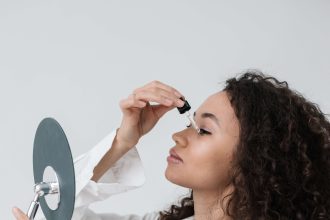
You can use copper peptide serum and vitamin C serum in the same skincare routine, but you cannot layer them together at the same time. The question, “can you use copper peptide serum and vitamin C serum together?” hinges on a critical chemical conflict: pure ascorbic acid and ionic copper accelerate each other’s degradation through a pro-oxidant reaction. The answer is a strategic yes, separated by a significant time interval. Using one in the morning and the other at night is the only proven, safe way to harness the benefits of both powerhouse ingredients. This approach prevents them from interacting on your skin or in the bottle, ensuring their stability and efficacy.
- Can You Use Copper Peptide Serum and Vitamin C Serum Together?
- The Science Behind the Copper and Vitamin C Conflict
- What Are Copper Peptides and What Do They Do?
- What Are the Benefits of Vitamin C?
- The Safe Routine: Copper Peptides Before or After Vitamin C?
- Are Some Vitamin C Derivatives Safer with Copper Peptides?
- Common Questions
- When Combining Actives Isn’t the Answer
- Conclusion
- References
Understanding this interaction is key to building an effective routine with both ingredients. The best peptide serums can be transformative, but their benefits are maximized when paired correctly with other actives like vitamin C.
The Science Behind the Copper and Vitamin C Conflict
The core issue is a redox (reduction-oxidation) reaction between ascorbic acid (vitamin C) and the copper ions (Cu2+) found in copper peptide complexes, like GHK-Cu. In simple terms, they chemically destabilize each other.
Fenton Reaction: This is the specific name for the problematic interaction. When ascorbic acid encounters ionic copper in an aqueous solution (like a serum), it acts as a reducing agent, converting copper ions from Cu2+ to Cu+1. This Cu+ ion is highly reactive and can then catalyze the breakdown of hydrogen peroxide, which is naturally present in trace amounts in skin and formulas, into highly reactive hydroxyl radicals. These radicals then attack and degrade the ascorbic acid molecule itself, rendering it ineffective1. This process is accelerated by light and heat, which is why storing these formulas together is also ill-advised.
This reaction has two negative outcomes: your vitamin C serum loses its antioxidant potency before it can protect your skin, and the structure of the copper peptide may be compromised. It’s a lose-lose scenario for your skin’s biochemistry and your wallet.
What Are Copper Peptides and What Do They Do?
Before designing a routine, it’s helpful to understand what each ingredient offers separately.
Copper peptides are small protein fragments (peptides) bound to a copper ion. The most well-researched is GHK-Cu (glycyl-l-histidyl-l-lysine copper). Unlike standalone peptides that signal for collagen, GHK-Cu’s primary roles are multifaceted. Research indicates it promotes wound healing, acts as an anti-inflammatory, and helps remodel damaged collagen and elastin2. In cosmetic formulations, it’s often marketed for skin repair, firming, and improving skin texture. For a deeper dive into how peptides function, see our guide on what peptide serum is and how to use it.
What Are the Benefits of Vitamin C?
Vitamin C (L-ascorbic acid) is a water-soluble antioxidant with a robust evidence base. Its primary skin benefits include neutralizing free radicals from UV exposure and pollution, inhibiting melanin production to fade dark spots, and acting as a cofactor for enzymes necessary for collagen synthesis. For vitamin C to be effective topically, it must be formulated at a low pH (under 3.5) and in a stable vehicle. Many of the common vitamin C serum myths revolve around its stability and interactions.
The Safe Routine: Copper Peptides Before or After Vitamin C?
The only safe answer to “copper peptides before or after vitamin C” is: neither, if applied in the same session. The safe strategy is separation by at least 8 to 12 hours. This allows your skin’s pH to reset and any residual traces of one active to be fully absorbed, metabolized, or cleansed away before the other is applied, eliminating the chance for a surface reaction.
Recommended AM/PM Strategy
Morning (AM): Vitamin C Serum
Cleanse → Vitamin C Serum → Moisturizer → Sunscreen.
Vitamin C is the quintessential morning antioxidant. It provides a protective shield against daily environmental aggressors and can boost the efficacy of your sunscreen. Its brightening effects are also best appreciated during the day.
Evening (PM): Copper Peptide Serum
Cleanse → (Optional: gentle exfoliant or retinoid on alternate nights) → Copper Peptide Serum → Moisturizer.
Copper peptides support the skin’s natural repair processes that peak overnight. Using them in the evening aligns with the skin’s renewal cycle and keeps them completely separate from your morning vitamin C.
This clear separation is the definitive answer for anyone wondering about a copper peptides vitamin c same routine. They can be in the same overarching weekly routine, but never in the same application sequence.
Are Some Vitamin C Derivatives Safer with Copper Peptides?
This is a nuanced area. The problematic GHK-Cu vitamin C interaction is most direct and potent with pure L-ascorbic acid (L-AA). Vitamin C derivatives, such as sodium ascorbyl phosphate (SAP), magnesium ascorbyl phosphate (MAP), ascorbyl glucoside (AA-2G), and tetrahexyldecyl ascorbate (THD ascorbate), are chemically modified forms. They are more stable and often have a higher pH.
Theoretically, because these derivatives must be converted to L-ascorbic acid within the skin to become active, the chance of an immediate surface reaction with copper ions is lower. However, the science is not definitive enough to recommend layering them. The conversion process is not instantaneous, and trace copper could still potentially interfere. Furthermore, the superior efficacy of L-AA is well-documented, while derivatives vary in their conversion rates and potency.
Editorial Advice: Even if using a derivative, adhering to the AM/PM separation rule is the most cautious and reliable practice. It removes all guesswork and ensures you get the full benefit of both products you’ve invested in.
Common Questions
Can I use copper peptides and vitamin C if I wait 30 minutes between?
No, waiting 30 minutes is insufficient. Residual ascorbic acid and copper ions can remain on the skin’s surface or within the upper layers. The pH of your skin also takes longer to normalize fully. The 8-12 hour separation (AM/PM) is the only reliably safe interval supported by the chemical kinetics of the reaction.
What happens if I accidentally mix them?
A single accidental mixing is unlikely to cause skin damage, but it will likely inactivate a significant portion of both actives. You simply won’t get the benefits you paid for. You might notice a slight warming or tingling sensation in some cases. If this happens, rinse your skin gently with water, apply a soothing moisturizer, and resume your separated routine the next day.
Can I use vitamin C in the PM and copper peptides in the AM?
Technically, yes, the separation is what matters. However, this reverses the ideal functional use of each ingredient. Vitamin C’s antioxidant protection is most valuable during daytime UV exposure. Copper peptides support repair, which is optimal at night. Switching the order undermines their core biological timing benefits.
Is the conflict the same with all copper peptides?
The conflict is specific to the presence of free or loosely bound copper ions (Cu2+). GHK-Cu is the most common and well-studied form. Other copper-containing complexes may pose a similar risk if the copper is bioavailable. If a product lists “copper” or “copper peptide” high in its ingredients, it’s safest to assume the separation rule applies.
Can I use a product that contains both ingredients in one formula?
Reputable cosmetic chemists formulate products with both ingredients by using specific encapsulation technologies or stabilized derivatives designed not to interact in the bottle. If a single product from a trusted brand contains both, it has been intentionally formulated for stability. You should not, however, mix two separate serums (one vitamin C, one copper peptide) yourself.
What about other peptides with vitamin C?
Peptides without a copper ion, such as matrixyl (palmitoyl pentapeptide-4) or argireline (acetyl hexapeptide-8), do not have this conflict. They can typically be layered with vitamin C serums, though it’s always wise to patch test and introduce one new active at a time.
When Combining Actives Isn’t the Answer
If your skin is currently experiencing active irritation, redness, eczema, dermatitis, or is recovering from a professional procedure (like a laser or chemical peel), introducing either a potent vitamin C or a copper peptide serum is not the right next step. Your priority should be barrier repair with simple, soothing ingredients like ceramides, panthenol, and glycerin. Combining actives is for resilient, non-reactive skin in a maintenance or improvement phase. If your skin barrier is compromised, actives can cause significant stinging and worsen inflammation. In this case, focus on healing first. Once your skin is calm and healthy for several weeks, you can slowly reintroduce one active at a time, following the separation guidelines.
Conclusion
Successfully combining copper peptides and vitamin C in your skincare is a matter of strategic timing, not chemistry. To get the proven benefits of both—antioxidant protection by day and skin repair by night—commit to a clear AM/PM split. If you are new to both ingredients, introduce vitamin C in the morning first, wait two weeks to ensure tolerance, then add the copper peptide at night. This patient approach allows you to monitor your skin’s response to each powerful ingredient independently, building a routine that is both effective and harmonious. For your next step, review our curated list of highly effective peptide serums to find a copper peptide formula that fits your skin’s needs.
References
- Buettner, G. R., & Jurkiewicz, B. A. (1996). Catalytic metals, ascorbate and free radicals: combinations to avoid. Radiation Research, 145(5), 532–541. https://doi.org/10.2307/3579271
- Pickart, L., & Margolina, A. (2018). Regenerative and Protective Actions of the GHK-Cu Peptide in the Light of the New Gene Data. International Journal of Molecular Sciences, 19(7), 1987. https://doi.org/10.3390/ijms19071987