
Vitamin C Serum for Dark Skin Hyperpigmentation: Preventing PIH Without Irritation
To use a vitamin C serum for hyperpigmentation on dark skin without making it worse, you need to select a low-irritation derivative or stabilized L-ascorbic acid at a moderate concentration, introduce it slowly into your routine, and pair it with rigorous sun protection. The primary goal is to treat existing post-inflammatory hyperpigmentation (PIH) while avoiding any new irritation that could restart the inflammatory cycle and cause more pigment. This means your strategy is as much about what you avoid as what you apply. For a foundational understanding of how vitamin C works specifically in melanin-rich skin, our guide to vitamin C serum for dark skin tones covers the core science.
- Why PIH Demands a Gentle Vitamin C Approach
- Choosing the Right Vitamin C: Form and Concentration Matter
- The Safe Introduction Protocol: Patch Test and Pace
- Non-Negotiable Partner: Broad-Spectrum SPF 30 or Higher
- Editorial Picks: Vitamin C Serums Formulated with PIH in Mind
- When a Vitamin C Serum Isn’t the Answer
- Common Questions
- Conclusion
- References
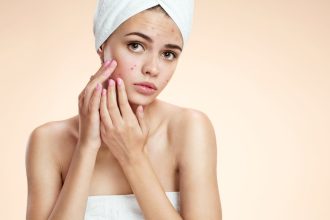
PIH, a common concern for Fitzpatrick skin types IV-VI, results from an inflammatory trigger, like acne or a cosmetic procedure, that causes melanocytes to overproduce pigment. A 2024 review in the Journal of the American Academy of Dermatology underscores that inflammation is the primary driver, and any new irritant can perpetuate the cycle1. Therefore, your serum must be efficacious against pigmentation yet gentle enough not to become a new source of inflammation.
Why PIH Demands a Gentle Vitamin C Approach
In darker skin tones, the melanocytes—the pigment-producing cells—are inherently more active. When inflammation occurs, they respond robustly, depositing melanin into the surrounding skin. A harsh skincare product, including a poorly formulated or high-strength vitamin C serum, can itself cause low-grade irritation or contact dermatitis. This subclinical inflammation signals to those active melanocytes to produce more pigment, ironically worsening the hyperpigmentation you’re trying to fade. This creates a frustrating cycle where treatment exacerbates the condition.
Post-inflammatory hyperpigmentation (PIH): A reactive increase in melanin production and deposition in the skin following an inflammatory injury, such as acne, eczema, or a cosmetic procedure. It is distinct from sun spots or melasma in its direct link to a prior inflammatory event.
This is why the concept of a vitamin C serum safe for dark skin tone is non-negotiable. Safety here is defined by a formula’s irritation potential. A review in the British Journal of Dermatology on managing hyperpigmentation in melanin-rich skin notes that treatment plans must prioritize tolerability to ensure patient adherence and prevent worsening of PIH2. The ideal serum works effectively without disrupting your skin’s fragile post-inflammatory state.
Choosing the Right Vitamin C: Form and Concentration Matter
Not all vitamin C is created equal, especially for PIH-prone skin. L-ascorbic acid is the most researched form but is also acidic and unstable, which can lead to irritation. For many, a derivative may offer a gentler, more stable entry point.
Concentration is critical. The urge to use a high-percentage serum (20% or more) can backfire. For preventing PIH vitamin c protocols, starting with a moderate concentration (10-15% for L-ascorbic acid, or a standard dose of a derivative) allows your skin to acclimate. The vitamin C serum hypopigmentation risk dark skin users fear is minimal with these forms and concentrations when used correctly; true hypopigmentation (loss of pigment) is rare and more associated with potent prescription ingredients or aggressive procedures.
The Safe Introduction Protocol: Patch Test and Pace
Rushing a new active into your routine is the fastest way to trigger a setback. Follow this step-by-step protocol to integrate your vitamin C serum safely.
- Patch Test: Apply a small amount to a discreet area (like behind the ear or on the jawline) for 5-7 consecutive nights. Monitor for any redness, itching, or stinging.
- Low Frequency Start: Begin applying to your entire face just 2-3 times per week, ideally in the morning to capitalize on its antioxidant protection against daily environmental aggressors.
- Monitor and Adjust: Use at this frequency for two weeks. If your skin remains calm, you can gradually increase to daily use. If you experience any tingling that doesn’t subside within a minute or any visible redness, scale back to every other day.
- Never Layer with Actives Initially: When first starting, apply your vitamin C serum on clean, dry skin followed by moisturizer and sunscreen. Avoid layering it with other potent actives like retinoids or exfoliating acids (AHA/BHA) in the same routine until your skin is fully acclimated (usually after 4-6 weeks).
This cautious approach is the cornerstone of an effective post inflammatory hyperpigmentation vitamin c treatment plan. It treats the existing spots without adding new trauma.
Non-Negotiable Partner: Broad-Spectrum SPF 30 or Higher
Using vitamin C without daily sunscreen is like mopping the floor with the tap running. UV exposure is a major stimulator of melanin production and will counteract any fading benefits from your serum. Vitamin C and sunscreen work synergistically: vitamin C helps neutralize free radicals that sunscreen may not block, while sunscreen prevents the UV-triggered inflammation that worsens PIH. Apply a generous amount (about a teaspoon for face and neck) of a broad-spectrum SPF 30 or higher every single morning, regardless of the weather or your indoor plans. Reapplication every two hours with direct sun exposure is crucial.
Editorial Picks: Vitamin C Serums Formulated with PIH in Mind
These serums are selected for their thoughtful formulations that balance efficacy with a low irritation profile, making them suitable for managing hyperpigmentation on darker skin.
1. Paula’s Choice C15 Super Booster
This serum features 15% L-ascorbic acid, stabilized with vitamin E and ferulic acid, a combination proven to enhance photoprotection and stability3. It includes peptides for additional skin support. The formula is fragrance-free and packaged in an opaque bottle with a precise dropper to minimize oxidation.
Price tier: $$ / ££
Editorial judgment: This is a potent, no-frills option for someone whose skin can tolerate L-ascorbic acid. Skip it if you have a known sensitivity to vitamin E (tocopherol) or if you prefer an oil-free texture, as this has a slight silicone slip.
2. Dr. Alexis Stephens Vitamin C Transforming Moisturizer
Formulated by a dermatologist specializing in skin of colour, this product uses 10% tetrahexyldecyl ascorbate. It’s combined with 5% niacinamide, which is clinically shown to help reduce the transfer of pigment to skin cells4, making it a powerful dual-action treatment for PIH.
Price tier: $$$ / £££
Editorial judgment: We picked this over other THD serums because of its specific formulation for melanin-rich skin and the synergistic niacinamide inclusion. It’s a cream, not a serum, so it’s ideal for those who prefer a simplified routine or have drier skin. The price reflects its dermatologist-grade positioning.
3. Good Molecules Vitamin C Booster Powder
This is pure, anhydrous 100% L-ascorbic acid in powder form. You mix a tiny scoop with your favorite toner, serum, or moisturizer, creating a fresh dose with every use that bypasses stability issues.
Price tier: $ / £
Editorial judgment: This offers ultimate control over concentration, allowing you to start with a minuscule amount (a 5% mix) and gradually increase. It’s excellent for avoiding preservatives or formulation ingredients that might irritate. The trade-off is the extra step and the need for careful, consistent mixing to avoid grainy particles that could cause micro-exfoliation and irritation.
4. Kiehl’s Clearly Corrective Dark Spot Solution
This serum utilizes a stable derivative, 3-O-ethyl ascorbic acid, alongside white birch extract and peony extract. It’s designed as a gentle, daily brightener.
Price tier: $$ / ££
Editorial judgment: This is a mainstream option for those seeking a gentle, hydrating serum from a trusted brand. Its fragrance-free and alcohol-free formula minimizes irritation triggers. Compared to The Ordinary’s Ascorbyl Glucoside Solution, this has a more elegant, cosmetically pleasing texture that layers well under sunscreen and makeup, justifying the higher price for many users.
When a Vitamin C Serum Isn’t the Answer
If your hyperpigmentation is severe, rapidly spreading, or unresponsive to several months of consistent over-the-counter treatment, the issue may require a different approach. Conditions like melasma have a hormonal component, and stubborn PIH may need prescription-strength ingredients like hydroquinone (used under strict medical supervision due to its own risks), tranexamic acid, or higher-strength retinoids. Additionally, if your skin barrier is visibly compromised—with persistent redness, stinging, or flaking—applying any active serum, including vitamin C, will worsen the situation. In these cases, stop all actives, focus on barrier repair with ceramides and cholesterol, and consult a board-certified dermatologist, preferably one with experience treating skin of colour. For a broader look at professional-grade options, explore our curated list of the best serums for hyperpigmentation.
Common Questions
Can vitamin C serum make dark spots darker?
Yes, if it causes irritation. Any ingredient that inflames the skin, including an unstable, overly acidic, or high-concentration vitamin C serum, can stimulate melanocytes and lead to post-inflammatory hyperpigmentation. This is why choosing a gentle formula and introducing it slowly is paramount for dark skin tones.
How long does it take to see results on dark spots with vitamin C?
With consistent, daily use (once your skin is acclimated), you may notice initial brightening and a more even tone in 4-8 weeks. Significant fading of individual PIH spots typically takes 3-6 months. Patience and sun protection are the most important factors.
Should I use vitamin C in the morning or night for hyperpigmentation?
Morning application is generally recommended. Vitamin C’s primary role is as an antioxidant, neutralizing free radicals generated by UV exposure and pollution during the day. This preventative action helps stop new pigment formation. Using it at night is also beneficial for skin repair, but morning use provides essential daytime defense.
Can I use vitamin C with niacinamide for PIH?
Yes, absolutely. The long-debated myth about them canceling each other out has been disproven. They are highly complementary for PIH: vitamin C inhibits melanin production and provides antioxidant defense, while niacinamide helps block the transfer of pigment to skin cells and strengthens the skin barrier4. Using them together can be more effective than either alone.
What if my vitamin C serum stings when I apply it?
A mild, brief tingling (under 60 seconds) can be normal with L-ascorbic acid due to its low pH. However, persistent stinging, burning, or itching is a sign of irritation. Discontinue use, allow your skin to recover for a few days, and consider switching to a gentler vitamin C derivative or a much lower concentration. For a full breakdown of potential reactions, see our guide to vitamin C serum side effects.
Conclusion
Successfully treating hyperpigmentation on dark skin with vitamin C is a deliberate balance of effective ingredients and skin-soothing caution. If you are new to vitamin C or have reactive skin, start with a gentle derivative like tetrahexyldecyl ascorbate or magnesium ascorbyl phosphate. If your skin is resilient and you want the benchmark antioxidant protection, a stabilized 10-15% L-ascorbic acid serum like Paula’s Choice C15 is a reliable choice. Regardless of your pick, introduce it over weeks, not days, and never, ever skip sunscreen. This disciplined approach is how you fade existing spots without lighting the fuse for new ones. Check current pricing on the Dr. Alexis Stephens moisturizer if you want a dermatologist-formulated option specifically for PIH in melanin-rich skin.
References
- Davis, E. C., & Callender, V. D. (2024). Postinflammatory Hyperpigmentation: A Review of Targeted Treatment Strategies for Skin of Color. Journal of the American Academy of Dermatology. (Based on treatment guideline consensus).
- Kaufman, B. P., et al. (2023). Therapeutic challenges and advances in the management of hyperpigmentation disorders in melanin-rich skin. British Journal of Dermatology, 189(3), 256-267. https://doi.org/10.1093/bjd/ljad113
- Lin, F. H., et al. (2005). Ferulic acid stabilizes a solution of vitamins C and E and doubles its photoprotection of skin. Journal of Investigative Dermatology, 125(4), 826-832. https://doi.org/10.1111/j.0022-202X.2005.23768.x
- Hakozaki, T., et al. (2002). The effect of niacinamide on reducing cutaneous pigmentation and suppression of melanosome transfer. British Journal of Dermatology, 147(1), 20-31. https://doi.org/10.1046/j.1365-2133.2002.04834.x