
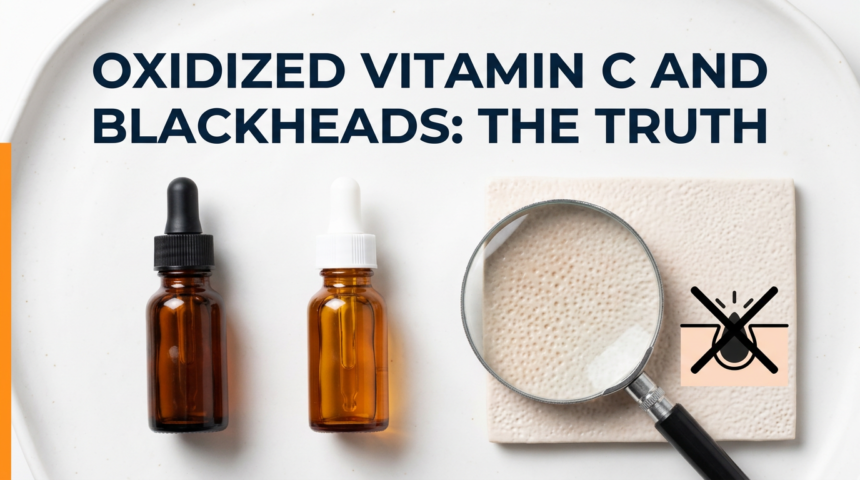
No, using an oxidized vitamin C serum does not create actual blackheads. The dark spots you might notice appearing in your pores are a visual illusion caused by a chemical reaction, not a new clogged pore. This addresses a common confusion for users of vitamin C serums who suddenly see what looks like a breakout of tiny blackheads, often around the nose and cheeks. Understanding this distinction is key to using your serum effectively and not mistakenly blaming it for comedonal acne. The phenomenon is linked to the instability of ascorbic acid, the pure form of vitamin C, when it breaks down on or in the skin.
- What You Are Seeing is Oxidation, Not a Clogged Pore
- How to Tell the Difference Between Oxidation and a Real Blackhead
- Why This Happens: The Role of Formulation and Stability
- Preventing the Blackhead Illusion from Oxidized Vitamin C
- Common Questions About Vitamin C Serum and Pores
- When a Vitamin C Serum Isn’t the Answer
- Conclusion
- References
What You Are Seeing is Oxidation, Not a Clogged Pore
A genuine blackhead, or open comedo, forms when a hair follicle pore becomes clogged with a combination of excess sebum and dead skin cells. This plug, called a keratin plug, oxidizes upon exposure to air, turning dark and creating the familiar black spot. The process of vitamin C oxidation is different, yet the result on the skin’s surface can look remarkably similar.
Ascorbic Acid Oxidation: Pure ascorbic acid (L ascorbic acid) is notoriously unstable. When exposed to oxygen, light, or heat, it oxidizes, turning first to dehydroascorbic acid and eventually to 2,3 diketogulonic acid, a compound with a brownish yellow hue. This degradation process can happen in the bottle, which is why many formulas turn yellow or brown over time. More relevant to this question, it can also happen after the serum is applied to your skin. If residual serum sits within the pore opening or on the skin’s surface, it can oxidize in place, creating a small, dark dot that mimics a blackhead.
Research into the topical application of vitamin C has documented this surface discoloration as a potential side effect of using oxidized or unstable formulations. The color change is a chemical marker of the antioxidant’s depletion, not an indication of pore blockage.
How to Tell the Difference Between Oxidation and a Real Blackhead
You can perform a simple, non invasive test. The texture and location of the spots are your biggest clues.
If the dark spots disappear after a thorough cleanse and reappear a day or two after resuming your serum, you are likely dealing with oxidation residue. For those with oily skin, this distinction is especially important, as you might be quick to blame increased sebum production. You can learn more about formulations suited for your skin type in our guide to the best vitamin C serum for oily skin.
Why This Happens: The Role of Formulation and Stability
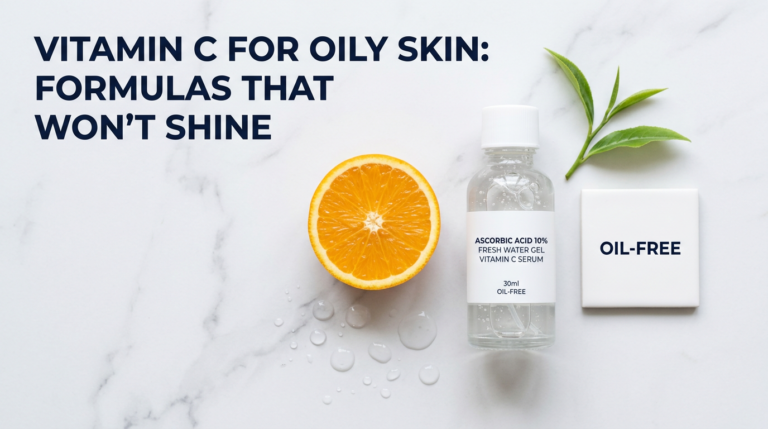
The likelihood of your vitamin C serum causing this blackhead like effect depends heavily on its formulation stability and your skin’s environment. Pure L ascorbic acid serums, especially those at high concentrations (15 20%) in a water based formula, are most prone to rapid oxidation both in the bottle and on the skin. Factors like a high skin pH, exposure to UV light after application, and the presence of certain metals can accelerate this process.
Derivatives like magnesium ascorbyl phosphate, sodium ascorbyl phosphate, or tetrahexyldecyl ascorbate are generally more stable and less likely to oxidize visibly on the skin. However, they must convert to ascorbic acid within the skin to be effective, which can sometimes be less efficient. The trade off is between maximum potency with higher oxidation risk (L AA) and gentler, more stable delivery with potentially slower visible results (derivatives).
Clinical data on vitamin C serum side effects often lists skin irritation or temporary yellowing as more common than this specific pore discoloration, but it is a recognized occurrence, particularly with compromised formulas.
Preventing the Blackhead Illusion from Oxidized Vitamin C
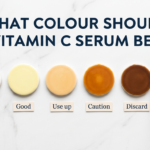
Your first and most effective line of defense is using a fresh, stable vitamin C serum. Look for packaging that minimizes air and light exposure, such as opaque, airless pumps or dark glass bottles with droppers that seal well. The serum should be colorless or a very light straw yellow when you buy it. If it has turned a deep amber or brown, it is already heavily oxidized and more likely to cause surface discoloration. You can read our detailed advice on using a slightly oxidized vitamin C serum for guidance on when a product is still usable.
Second, ensure you are applying the serum to clean, dry skin. Residual makeup, sunscreen, or moisturizer can trap the serum on the surface and facilitate oxidation. Follow with your moisturizer and sunscreen as usual; the sunscreen is critical, as UV exposure drives oxidation.
Third, incorporate a thorough evening cleanse. A gentle, water soluble cleanser or a double cleansing routine (starting with an oil based cleanser) can effectively remove any oxidized residue sitting in your pores. Avoid harsh physical scrubs, which can irritate the skin and worsen any appearance of discoloration.
Common Questions About Vitamin C Serum and Pores
Can a fresh, non oxidized vitamin C serum cause blackheads?
It is highly unlikely. A fresh, properly formulated serum should not clog pores. However, some ancillary ingredients in a serum formula, like certain thickening agents or heavy oils, could be comedogenic for some individuals. If you are experiencing genuine clogged pores after starting any new product, review the full ingredient list.
Why does vitamin C serum sometimes make my skin look darker?
This is usually a separate issue from the pore spotting. If your overall complexion appears temporarily darker or orange tinted after applying vitamin C, it is often due to the serum oxidizing on the surface of your skin before it absorbs, or using a formula that has already begun to degrade. For a deeper dive into this topic, we explain why vitamin C serum can make skin look dark.
Should I stop using vitamin C if I see these dark spots?
Not necessarily. First, confirm they are oxidation spots and not blackheads using the guide above. If it is oxidation, try improving your cleansing routine and ensure your serum is fresh. If the spots persist, you may want to switch to a more stable vitamin C derivative or a differently formulated L ascorbic acid serum.
Are some skin types more prone to this effect?
Yes. Those with larger pore openings or skin that tends to be oilier may notice the discoloration more readily, as the serum can pool slightly in the pore opening. However, it is a chemical reaction, not a skin type specific condition.
When a Vitamin C Serum Isn’t the Answer
If you have persistent, true blackheads and enlarged pores that do not improve with a consistent routine including salicylic acid and retinoids, the issue may be more structural or genetic. In these cases, a vitamin C serum, while excellent for antioxidant protection and brightening, will not directly treat comedonal acne. Your focus should shift to treatments that increase cell turnover and deep clean pores, like prescription tretinoin or professional chemical peels. Similarly, if your skin develops itchy red bumps, pustules, or widespread irritation after using a vitamin C serum, you may be experiencing contact dermatitis or an allergy to an ingredient, not a reaction to oxidation. Discontinue use and consult a dermatologist.
Conclusion
Seeing dark spots after applying vitamin C is a common point of confusion, but understanding the science behind oxidation versus comedone formation lets you use your serum with confidence. The key is to prioritize formula stability, practice diligent cleansing, and know how to spot the difference. If you are new to vitamin C or have had issues with oxidation before, start with a stable derivative in airless packaging. For most people, this simple shift prevents the blackhead illusion entirely, allowing you to reap the proven brightening and protective benefits of vitamin C without unnecessary worry.
References
- Telang, P. S. (2013). Vitamin C in dermatology. Indian Dermatology Online Journal, 4(2), 143–146. https://doi.org/10.4103/2229-5178.110593
- Deconstruct Clinical Trial Database. (2023). Vitamin C Serum (10% LAA) – 12 Week User Trial Side Effects Report. Deconstruct Skincare. https://deconstructskincare.com/clinicals