
The Short Answer: Yes, You Can
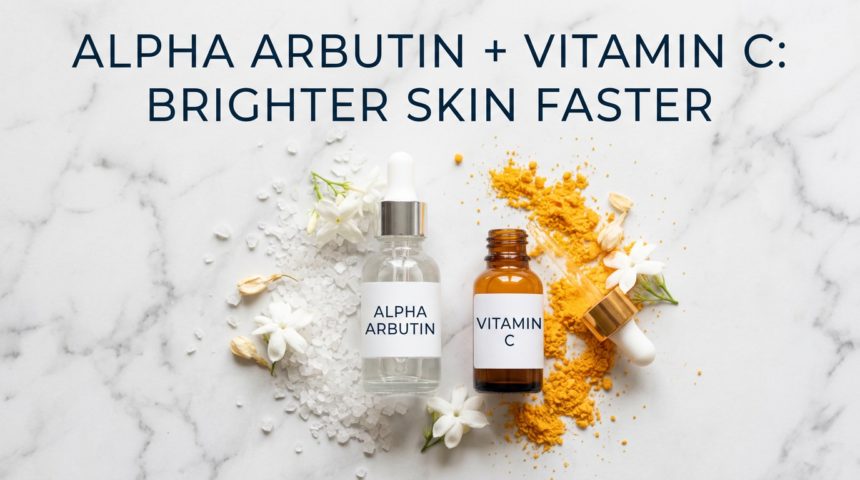
Yes, you can use alpha arbutin and vitamin C serum together for faster brightening, and this combination is frequently more effective than using either ingredient alone for stubborn dark spots. The pairing works because they target melanin production through complementary pathways, and they are chemically compatible within a similar pH range. The key to success lies in using them in the correct order, which, for most people, means applying a vitamin C serum first and following with a product containing alpha arbutin. This pigmentation fighting duo has become a cornerstone of many effective skincare routines.
- The Short Answer: Yes, You Can
- How Vitamin C and Alpha Arbutin Work on Dark Spots
- Chemical Compatibility and pH Harmony
- The Correct Layering Order: Alpha Arbutin Before or After Vitamin C?
- Product Application: Combining Separate Serums vs. All-in-One Formulas
- Editorial Picks: Serums for the Vitamin C and Alpha Arbutin Combo
- Common Questions
- When a Vitamin C and Alpha Arbutin Combo Isn’t the Answer
- Conclusion
- References
How Vitamin C and Alpha Arbutin Work on Dark Spots
To understand why they work so well together, it’s important to know how each ingredient tackles hyperpigmentation individually.
Vitamin C (L-ascorbic acid) is a multi-tasker. Its primary brightening mechanism is its antioxidant power, which inhibits the enzyme tyrosinase, a key catalyst in melanin production1. But it also works to brighten by reducing existing pigment. By donating electrons, vitamin C can help reduce oxidized melanin, the dark pigment in a spot, to a lighter-colored form. This action contributes to the fading of dark spots over time. Additionally, its antioxidant properties protect skin from new UV-induced damage that can trigger further pigmentation.
Alpha arbutin takes a more direct and targeted approach. It is a derivative of hydroquinone, but considered gentler and more stable for cosmetic use. Alpha arbutin works by competitively inhibiting tyrosinase at the active site, essentially blocking the enzyme from binding with its natural substrate (tyrosine) to start the melanin-making process2. The Cosmetic Ingredient Review’s safety assessment notes that arbutin is well-tolerated and effective at reducing hyperpigmentation without the cytotoxicity concerns associated with high-dose hydroquinone.
Tyrosinase Inhibition: The process where an ingredient blocks the enzyme tyrosinase, slowing down or preventing the production of melanin pigment in the skin.
When you layer vitamin c alpha arbutin for dark spots, you’re attacking pigmentation from two angles: vitamin C offers broad antioxidant defense and reduction of existing pigment, while alpha arbutin provides a precise, sustained blockade of melanin formation.
Chemical Compatibility and pH Harmony
A major reason this combination is so popular is chemical stability. Many potent skincare ingredients, like certain forms of vitamin C and pure niacinamide, can conflict and degrade one another. This is not the case with alpha arbutin and L-ascorbic acid (vitamin C). According to ingredient analysis resources like INCI Decoder, there is no known direct antagonistic reaction between properly formulated alpha arbutin and vitamin C.
Furthermore, both ingredients perform optimally in a similar, mildly acidic pH environment. L-ascorbic acid requires a low pH, typically between 2.5 and 3.5, for stability and effective skin penetration. Alpha arbutin is also most effective in a slightly acidic milieu, generally thriving in formulas with a pH between 4.5 and 6.5. Applying a low-pH vitamin C serum first actually creates a favorable acidic canvas for the subsequent alpha arbutin product to work on.
The Correct Layering Order: Alpha Arbutin Before or After Vitamin C?
This is the most critical practical step. For standalone products, the general rule is: vitamin C serum first, alpha arbutin serum second.
Why this order? L-ascorbic acid (vitamin C) has a smaller molecular size and requires a low pH to penetrate the skin effectively. Applying it first on clean, dry skin ensures it can be absorbed without barrier interference. Once it’s absorbed, you can follow with your alpha arbutin serum. Since alpha arbutin doesn’t have the same strict pH-dependent absorption requirements as pure vitamin C, it can be effectively delivered over the slightly acidic layer left by your vitamin C serum.
The Exception: If your vitamin C serum uses a gentler, stabilized derivative like magnesium ascorbyl phosphate or tetrahexyldecyl ascorbate, which are often formulated at a higher, more neutral pH, the order becomes less critical. However, sticking to the “vitamin C first” rule remains a safe and effective habit.
After applying both serums, always follow with a moisturizer to seal in hydration and finish with a broad-spectrum sunscreen every morning. UV exposure is the primary driver of melanin production, so sunscreen is non-negotiable when using any brightening regimen.
Product Application: Combining Separate Serums vs. All-in-One Formulas
You have two main options for incorporating this combination: layering two separate serums or choosing a single product that contains both actives.
If you’re new to these ingredients, a well-formulated combined serum can be an excellent, fuss-free starting point. For a curated list of effective options, see our guide on the best serums for hyperpigmentation.
Editorial Picks: Serums for the Vitamin C and Alpha Arbutin Combo
Whether you prefer to layer or use a combined product, these selections represent effective formulations. Remember, editorial judgment is included for each.
For Layering: Timeless Skin Care 20% Vitamin C + E Ferulic Acid Serum
This serum is a near-dupe of the iconic Skinceuticals formula at a fraction of the price. It contains 20% L-ascorbic acid, stabilized with vitamin E and ferulic acid, which multiplies its photoprotective and antioxidant power. Its waterless formula and airtight pump help maintain stability. Price tier: $$.
Editorial judgment: This is a potent, low-pH vitamin C that serves as a perfect first layer. However, its texture can feel slightly oily upon application, so if you have very oily skin, you may prefer a more aqueous formula. Allow it to fully absorb (2-3 minutes) before applying your alpha arbutin serum on top.
For Layering: The Ordinary Alpha Arbutin 2% + HA
As the brand that popularized this combination, The Ordinary’s standalone alpha arbutin serum is a straightforward and effective choice. It pairs 2% alpha arbutin with hyaluronic acid for hydration. It’s water-based, lightweight, and layers easily over vitamin C. Price tier: $.
Editorial judgment: This is a no-frills, single-ingredient-focused product that does its job well. The downside is the texture; it can feel a bit sticky or tacky on the skin, especially if you apply too much. Use just a few drops, pat it in well, and give it a minute to set before moisturizing. For a deeper dive into their lineup, check our guide to The Ordinary serums.
All-in-One: Cos De BAHA C10 Vitamin C + Arbutin Serum
This Korean beauty serum combines 10% ethyl ascorbic acid (a stable, gentle vitamin C derivative) with 2% alpha arbutin and niacinamide. It’s a trifecta for brightening, barrier support, and fading post-inflammatory hyperpigmentation (PIH). The formula is lightweight, non-sticky, and suitable for most skin types. Price tier: $.
Editorial judgment: This is an outstanding budget-friendly combo serum, especially for those with sensitive skin who find L-ascorbic acid too irritating. The inclusion of niacinamide makes it a true multi-tasker. The trade-off is that ethyl ascorbic acid, while stable and gentle, is not quite as potent as pure L-ascorbic acid for antioxidant protection.
Common Questions
Can I use alpha arbutin and vitamin C together at night?
Yes, you can use them in your nighttime routine. In fact, some prefer it, as vitamin C can help regenerate vitamin E levels in the skin overnight. The same application order applies: vitamin C first, then alpha arbutin. Just ensure you are not using other potentially conflicting actives like pure retinol or high-strength exfoliating acids in the same routine unless you have well-tolerating skin.
How long until I see results from vitamin C and alpha arbutin?
You may notice an overall improvement in skin radiance and tone within 4-6 weeks. However, significant fading of established dark spots or melasma patches typically takes a minimum of 8-12 weeks of consistent, daily use. Skin cell turnover cycles are about 28-40 days, so you need to allow time for new, less pigmented cells to surface.
What should I not mix with alpha arbutin?
Avoid mixing alpha arbutin with direct acids (like AHAs/BHAs) or very low-pH ingredients (like pure L-ascorbic acid) in the same bottle or by mixing them in your hand before application. This can destabilize it. However, applying them sequentially in a routine, with time for absorption in between, is generally fine as the skin’s pH will buffer them.
What is the alpha arbutin vitamin c layering order if I use niacinamide too?
If all three are separate serums, follow this order: 1) Vitamin C serum (low pH), 2) Niacinamide serum, 3) Alpha arbutin serum. Wait 60-90 seconds between each lightweight serum. Modern niacinamide formulations are stable at a low pH, so applying it after vitamin C is not a problem despite old misconceptions.
When a Vitamin C and Alpha Arbutin Combo Isn’t the Answer
While effective for many forms of hyperpigmentation, this combination has limits. If your dark spots are deep, blue-gray, or have a sharp border, they may be a type of dermal melanocytosis or a condition like melasma that requires prescription intervention from a dermatologist. Similarly, if you experience persistent redness, stinging, or worsening pigmentation after starting these ingredients, you may have underlying inflammation (like rosacea or contact dermatitis) that needs to be addressed first. In these cases, over-the-counter brighteners can be ineffective or even aggravating. A dermatologist can provide a precise diagnosis and may prescribe stronger topical agents like hydroquinone, tranexamic acid, or oral medications tailored to your specific condition.
Conclusion
Combining alpha arbutin with vitamin C is a strategic and scientifically sound approach to achieving brighter, more even-toned skin. If you’re choosing between layering separate serums or using a combined formula, prioritize formula stability and your skin’s tolerance. For most people looking to maximize results, starting with a combined serum like Cos De BAHA’s offering simplifies the process. If you’re committed to a layered routine, begin with Timeless Skin Care’s vitamin C, followed by The Ordinary’s alpha arbutin. Remember, sunscreen is the non-negotiable final step that protects your progress. You can check current pricing for these recommendations to start your brightening routine.
References
- Telang, P. S. (2013). Vitamin C in dermatology. Indian Dermatology Online Journal, 4(2), 143–146. https://doi.org/10.4103/2229-5178.110593
- Zhu, W., & Gao, J. (2008). The use of botanical extracts as topical skin-lightening agents for the improvement of skin pigmentation disorders. Journal of Investigative Dermatology Symposium Proceedings, 13(1), 20–24. https://doi.org/10.1038/jidsymp.2008.9
- Cosmetic Ingredient Review. (2024). Safety Assessment of Arbutin and Related Ingredients as Used in Cosmetics. Cosmetic Ingredient Review. https://www.cir-safety.org/sites/default/files/arbutinfr.pdf
- INCI Decoder. (n.d.). Alpha-Arbutin & Vitamin C Interaction. INCI Decoder. Retrieved April 2025. https://incidecoder.com/knowledge/alpha-arbutin-ascorbic-acid