

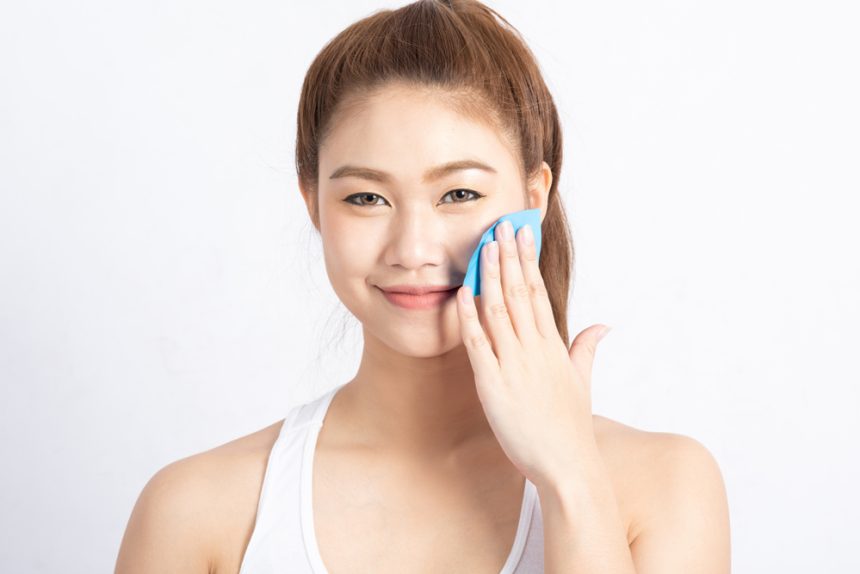
Managing oily skin and hormonal changes! Dealing with oily skin can be a challenge, especially when it’s influenced by hormonal fluctuations. Hormones are important for controlling oil production, and when they don’t work right, they can cause the body to make too much oil and look greasy.
In this blog post, we will explore the intricate relationship between oily skin and hormonal changes, provide skin care suggestions, comprehend oily skin, and recognize the indicators at various times of the month. Join us as we navigate the world of oily skin and hormonal changes to achieve a balanced complexion.
Understanding Oily Skin and Hormonal Changes
Oily skin and hormonal changes are closely linked. Sebum is affected by androgens like testosterone. During adolescence, androgens make oil glands work. The face gets more oily. Changes in hormones that happen during periods, pregnancy, and menopause can cause sebum production to change, which can lead to oily skin.
Using a gentle wash, avoiding hard products, hydrating with oil-free formulations, using oil-absorbing sheets, not touching the face, choosing acne-free makeup, and living a healthy lifestyle can all help with oily skin caused by hormonal changes. If you’re still worried, a dermatologist can help you figure out what’s wrong with your face and treat it.
Identifying Your Skin’s Patterns
Identifying your skin’s patterns in relation to oily skin and hormonal changes can help you effectively manage your skincare routine. Pay attention to the following factors:
1- Timing:
Watch for patterns of oilier skin around adolescence, your menstruation, pregnancy, and menopause. Hormonal changes may increase sebum production.
2- Consistency:
See whether hormones make your skin oilier at the same time every month. This will help you plan and implement skincare adjustments.
3- Breakouts:
If you have more acne and greasy skin, pay attention. Hormonal changes may induce acne in the “T-zone”—the chin, forehead, and nose.
4- Other symptoms:
Watch for hormone-related skin changes such as increased sensitivity, redness, or roughness.
Creating a Skincare Routine for Oily Skin
Creating a biologically adaptable oily skin skincare routine is essential for facial health. Here’s how:
1- Cleanser:
Use a gentle, oil-free wash formulated for oily skin. Wash your face twice a day to remove dirt, oil, and pollutants without removing it.
2- Toner:
An alcohol-free toner balances facial pH and controls oil production. Use salicylic acid or witch hazel toners.
3- Moisturizer:
Use an oil-free, non-comedogenic lotion. Hyaluronic acid may maintain moisture.
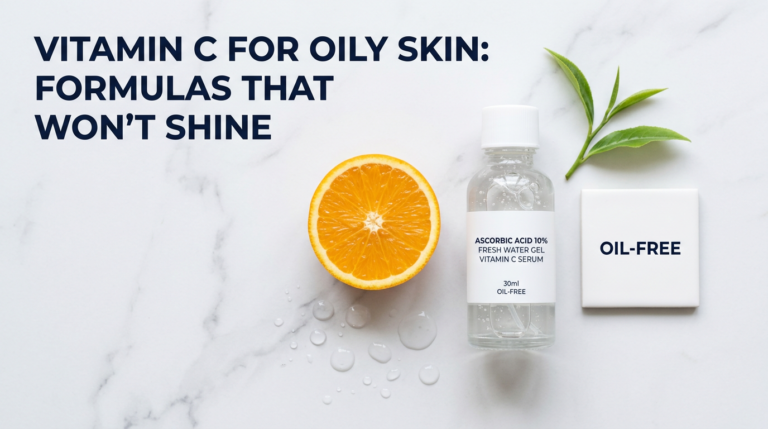
The Ultimate Glow Serum for Oily Skin : 04 Key Feature Shine-Free Elixir
4- Sunscreen:
Protect your face from UV radiation with a lightweight, oil-free SPF 30 sunscreen. Select a non-oily broad-spectrum product.
5- Exfoliation:
Use a gentle exfoliator 2-3 times a week to remove dead skin and cleanse pores. Rough scrubs may damage skin and increase oil production.
6- Spot Treatment:
Use salicylic acid or benzoyl peroxide to treat pimples. Apply it immediately to problem areas.
Find the best skin care product as everyone responds differently. See a dermatologist if your Oily skin and hormonal changes don’t improve.
Tips for Managing Oily Skin

Managing Oily skin and hormonal changes, especially during hormonal changes, can be challenging but with the right tips, it can be effectively controlled. There are some suggestions:
1- Cleanse Regularly:
Wash your face twice a day with a gentle oily skin cleanser. This removes oil, grime, and impurities without drying the skin.
2- Oil-Free Products:
Makeup, sunscreen, and lotions should be oil-free. These products won’t clog your pores.
3- Avoid Harsh Products:
Too much oil removal might increase oil production. Choose gentle, pH-balanced, and non-drying products.
4- Moisturize Appropriately:
Even oily skin requires moisture. To prevent your skin from overproducing oil to compensate for dryness, use a mild, oil-free moisturizer.
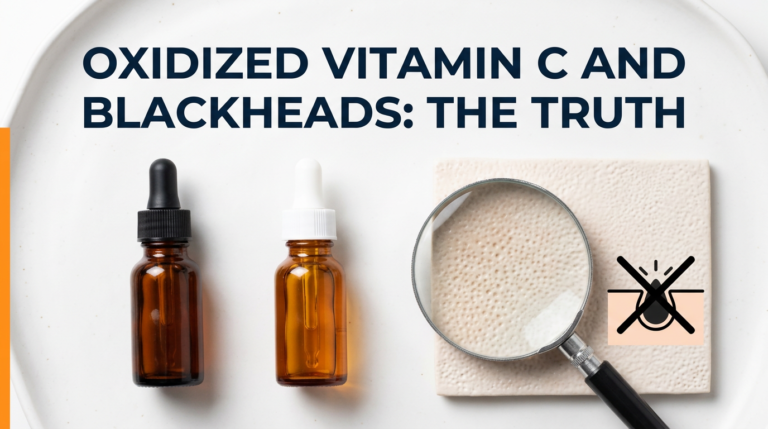
How Vitamin C Serum Can Protect Your Skin from Environmental Damage? | 5 Benefits of Serum
5- Exfoliate Regularly:
Exfoliating removes dead skin cells and clears pores. Mildly cleanse twice or three times a week. Look for chemical exfoliants like salicylic acid.
6- Don’t Skip the Sunscreen.
Sunlight worsens acne and increases oil production. Choose an oil-free, 30-SPF sunscreen.
7- Blotting Papers:
Keep blotting papers or oil-absorbing sheets on hand to rapidly wipe away oil throughout the day without removing makeup. Gently pressing oily patches removes oil.
Conclusion
In conclusion, understanding the relationship between oily skin and hormonal changes is important for effective skincare management. Puberty, menstruation, pregnancy, and menopause may cause your skin to produce more sebum, making it oily. Your hormones may cause greasy skin.
Watching trends and changing your skin care regimen may help. Use mild soaps, oil-free lotions, and creams. Sunscreen, washing, and oil-absorbing clothes may assist. Additionally, maintaining a healthy lifestyle and seeking professional advice when needed can help address oily skin and hormonal changes more effectively.







I found this article to be incredibly insightful and relatable. It addresses a common issue that many women face: oily skin caused by hormonal changes. By shedding light on this topic, The article not only provides valuable information but also empowers women to better understand and manage their skin concerns. It’s wonderful to see resources like this that cater to the specific needs and experiences of women. Kudos to the author for creating such an amazing and informative piece!
Dear Maylisa,
Thank you so much for your heartfelt comment on my article. I’m delighted to hear that you found it insightful and relatable, particularly regarding the common issue of oily skin caused by hormonal changes.
It’s my aim to provide valuable information that not only educates but also empowers women to better understand and manage their skin concerns. I believe that knowledge is key in taking control of our skincare journeys, and I’m thrilled that the article resonated with you in that regard.
I appreciate your kind words and recognition of the article’s focus on catering to the specific needs and experiences of women. It’s important to me to create resources that address the unique challenges and concerns faced by women.
Thank you again for your support and for taking the time to leave such a positive comment. Your feedback motivates me to continue creating informative and empowering content.