

Niacinamide serum works as a multi-tasking ingredient to improve your skin’s barrier, minimize pore appearance, regulate oil production, and brighten your complexion. It’s not “better” than vitamin C serum, as the two target different concerns. Vitamin C primarily combats free radical damage for anti-aging, while niacinamide focuses on skin resilience and tone. You can use both together. For detailed advice on layering them correctly, see our guide on how to layer serums. This article explains the specific science-backed niacinamide serum benefits, helping you understand exactly what it does for pores, oily skin, and overall skin health.
- What Are the Core Niacinamide Serum Benefits?
- Niacinamide for Oily Skin: How It Regulates Sebum
- Choosing Strength: Is a 10% Niacinamide Serum Necessary?
- Niacinamide vs Vitamin C Serum: Compatibility Clarified
- How to Use a Niacinamide Serum in Your Routine
- Selecting the Best Niacinamide Serum for Your Needs
- Common Questions About Niacinamide Serum Benefits
- Conclusion
What Are the Core Niacinamide Serum Benefits?
Niacinamide, a form of vitamin B3, is a water-soluble, stable ingredient that interacts with your skin’s natural processes. Its benefits are supported by clinical data, such as a study published in the Journal of Cosmetic Dermatology which documented improvements in skin elasticity, barrier function, and hyperpigmentation after topical use. The core benefits fall into four categories.
First, niacinamide strengthens your skin’s barrier. It boosts the production of ceramides, the fatty molecules that hold skin cells together like mortar. A stronger barrier means your skin is better hydrated, less irritated, and more resilient to environmental stressors. This foundational benefit supports all others.
Second, niacinamide serum for pores is exceptionally effective. It doesn’t “shrink” pores, but it minimizes their appearance by regulating sebum (oil) production and smoothing the surrounding skin. For those with oily or combination skin, this can lead to a noticeably smoother, less textured complexion.
Third, it offers brightening and anti-redness effects. Niacinamide interferes with the transfer of melanin (pigment) to skin cells, which can help fade post-inflammatory hyperpigmentation from acne or sun spots. It also has anti-inflammatory properties that can calm redness associated with conditions like rosacea or general irritation.
Finally, it provides gentle anti-aging support. By improving barrier function and stimulating collagen production, it can help reduce fine lines and improve skin’s plumpness over time. Unlike some anti-aging ingredients, it does this without causing dryness or sensitivity, making it suitable for many skin types.
Niacinamide for Oily Skin: How It Regulates Sebum
If you have oily skin, niacinamide is one of the most effective non-prescription ingredients you can use. Its mechanism is straightforward. Niacinamide helps normalize the activity of sebaceous glands, the tiny factories in your skin that produce oil. Research indicates it can reduce sebum excretion rates, leading to less surface oiliness without stripping your skin.
This regulation is crucial because excess oil can contribute to enlarged pores, a shiny complexion, and a higher likelihood of acne breakouts. By incorporating a niacinamide serum into your routine, you address oiliness at a cellular level rather than just temporarily wiping it away. The result is a more balanced skin state over weeks and months of consistent use.
For best results, apply your niacinamide serum after cleansing on slightly damp skin. This helps with absorption. Follow with a lightweight, non-comedogenic moisturizer. Since niacinamide itself is non-drying, you won’t need a heavy cream to compensate, which is ideal for oily skin types that prefer lighter formulations.
Choosing Strength: Is a 10% Niacinamide Serum Necessary?
The concentration of niacinamide in a serum is a key choice. Most products range from 2% to 10%. A common question is whether the highest strength is always the best. The answer depends on your skin’s tolerance and specific goals.
5% Niacinamide Serum: This is considered an effective, well-tolerated concentration for achieving core benefits like barrier support, mild oil regulation, and brightening. Formulation experts, like those at Paula’s Choice, note that 5% is sufficient for most users and minimizes any risk of transient redness or flushing, a rare but possible reaction at higher doses. It’s an excellent starting point for sensitive skin or those new to the ingredient.
10% Niacinamide Serum: A 10% concentration may offer more potent effects for stubborn concerns like pronounced hyperpigmentation or significant oiliness. However, higher concentration does not linearly equate to better results for everyone. Some research suggests the efficacy plateau may be around 5%, and the additional percentage mainly increases the risk of irritation for some individuals. If you have resilient, non-sensitive skin and want to try a higher dose, a 10% niacinamide serum can be an option, but monitor your skin’s response.
Niacinamide vs Vitamin C Serum: Compatibility Clarified
A long-standing myth in skincare is that niacinamide and vitamin C cannot be used together because they negate each other’s effects or cause irritation. Modern cosmetic science has largely debunked this. The concern originated from outdated studies involving unstable forms of vitamin C (like ascorbic acid) at high temperatures and pH levels, which are not representative of today’s stabilized serum formulations.
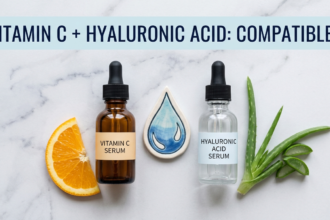
In reality, niacinamide and vitamin C are compatible and can be highly complementary in a routine. Vitamin C serum is a potent antioxidant that protects skin from free radical damage, supports collagen synthesis, and can brighten the skin. Niacinamide, as covered, strengthens the barrier and regulates sebum. Using both can address a broader range of skin health concerns, from defense against environmental aging to daily resilience.
The key to using them together is formulation and application order. To avoid any potential for interaction (which is minimal with modern products), you can apply vitamin C serum first, wait a minute for it to absorb, then apply your niacinamide serum. Alternatively, use them at different times of day. For a deeper dive into their distinct roles and ideal pairing strategies, read our comparison article on niacinamide vs vitamin C.
How to Use a Niacinamide Serum in Your Routine
To maximize niacinamide serum benefits, correct application is simple but important. Apply it to clean, slightly damp skin after cleansing and before moisturizing. Using it on damp skin can enhance penetration. One or two drops is typically enough for the entire face.
You can use niacinamide serum twice daily, morning and night, as it is generally non-irritating and works well under sunscreen or makeup. Consistency is crucial; its benefits on pore appearance, oil control, and barrier strength develop over consistent use, typically showing noticeable improvements within 4 to 8 weeks.
If you are layering multiple serums, the general rule is to apply thinner, water-based formulas first and thicker ones later. Niacinamide serums are usually lightweight and water-based, so they often come early in the sequence. After applying, wait about 60 seconds before moving to your next product, like a vitamin C serum or moisturizer, to allow for proper absorption.
Selecting the Best Niacinamide Serum for Your Needs
When choosing a product, look beyond just the niacinamide percentage. The formulation’s supporting ingredients and overall texture matter greatly. A well-formulated serum will pair niacinamide with complementary actives like zinc, antioxidants, or hyaluronic acid to enhance benefits without causing irritation.
For oily or acne-prone skin, a serum with niacinamide and zinc PCA can be particularly effective for sebum regulation. For dry or sensitive skin, a formula that includes niacinamide with hydrating ingredients like glycerin or ceramides will support barrier repair without dryness. Avoid serums with high concentrations of potentially irritating ingredients like alcohol or strong fragrances, which can counteract niacinamide’s soothing properties.
Texture preference is personal. Some niacinamide serums are viscous, almost like a light gel, while others are very watery. Consider what you enjoy applying and how it fits into your layering routine. For a curated list of effective options across different skin types and budgets, explore our dedicated review of the best niacinamide serums 2026.
Common Questions About Niacinamide Serum Benefits
Can niacinamide serum cause purging?
Niacinamide does not typically cause purging. Purging is associated with ingredients that increase skin cell turnover rate, like retinoids or acids. Niacinamide works differently, by regulating oil and strengthening the barrier, so it should not trigger a flare-up of underlying acne. If you experience breakouts after starting use, it might be due to an incompatible formulation ingredient or an unrelated skin change.
How long does it take to see results from niacinamide serum?
You may notice initial improvements in skin texture and redness within a few weeks. More significant benefits, like visibly minimized pores, reduced oiliness, and faded dark spots, usually become apparent after 4 to 8 weeks of consistent daily use. The timeline varies depending on your skin’s starting condition and the concentration of niacinamide in your serum.
Can I use niacinamide serum with retinol?
Yes, niacinamide and retinol can be used together effectively. Niacinamide can even help mitigate some of the irritation and dryness associated with retinol use by bolstering the skin’s barrier. Apply retinol first (if it’s your preferred order), wait a few minutes, then apply niacinamide serum. Alternatively, use retinol at night and niacinamide in the morning to separate them.
Is niacinamide serum good for sensitive skin?
Niacinamide is generally excellent for sensitive skin due to its barrier-strengthening and anti-inflammatory properties. Start with a lower concentration (2% to 5%) serum formulated without added fragrances or alcohol. It can help calm redness and improve skin tolerance to other products over time.
Does niacinamide serum help with acne scars?
Niacinamide can help with post-inflammatory hyperpigmentation, the dark marks that remain after acne heals. It interferes with pigment transfer in the skin. However, it does not significantly affect atrophic or pitted scars (textural indentations). For those, other treatments like professional procedures or retinoids may be more appropriate.
Should I use niacinamide serum before or after moisturizer?
Apply niacinamide serum before your moisturizer. The general rule of skincare layering is to apply thinner, water-based products like serums first, followed by thicker, cream-based products like moisturizers. This allows the active ingredients in the serum to penetrate effectively.
Can niacinamide replace hyaluronic acid in my routine?
No, niacinamide and hyaluronic acid serve different primary functions. Hyaluronic acid is a hydrating molecule that draws water into the skin. Niacinamide strengthens the skin barrier and regulates oil. They are complementary, not interchangeable. Many serums combine both ingredients for holistic benefits.
Conclusion
Niacinamide serum benefits are broad and well-supported by science, making it a versatile addition to many skincare routines. Whether your primary goal is minimizing pores, controlling oil for oily skin, brightening tone, or simply building a healthier skin barrier, niacinamide offers a gentle yet effective approach. Understanding the difference between 5% and 10% concentrations, and knowing it can safely pair with vitamin C, allows you to integrate it intelligently into your regimen. For specific product guidance, consider reviewing our selection of the best niacinamide serums to find a formulation that aligns with your skin’s needs.